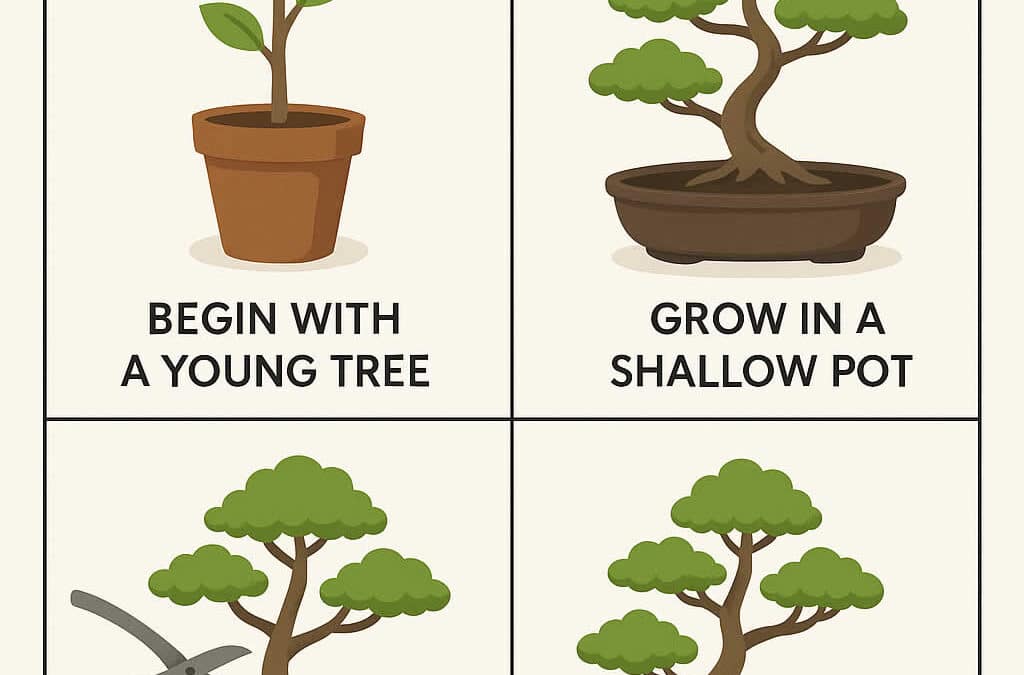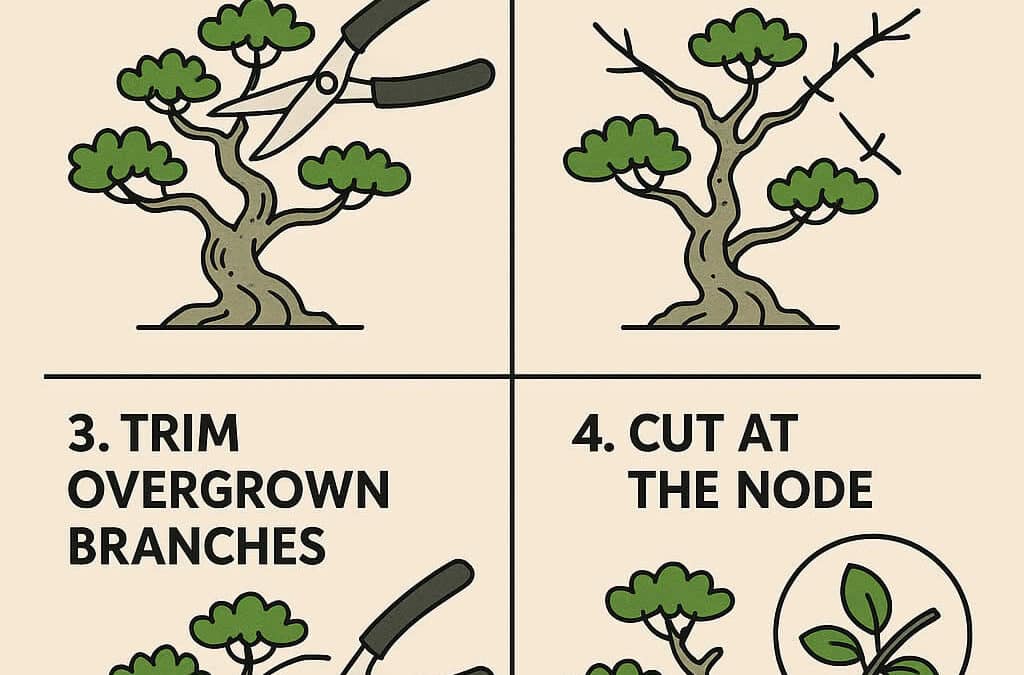
Tree pollarding usually costs between £250 and £1,200 per tree in the UK, although small, straightforward jobs may sit at the lower end and large, awkward or neglected pollards can cost more. If a tree has been pollarded before and is maintained on a regular cycle, the work is normally quicker, safer and cheaper than reducing a tree that has not been touched for many years.
Pollarding is a specialist form of tree pruning where the upper branches are cut back to a set framework. It is often used to manage tree size, control regrowth, reduce shading, keep trees away from buildings or maintain trees in streets, gardens and public spaces. It is not suitable for every species, and it needs to be done correctly because poor pollarding can weaken a tree, leave ugly cuts, encourage unstable regrowth or cause long-term decay.
For homeowners, the confusing part is that pollarding is not priced like a simple hedge trim. The work may involve climbing, rigging, controlled branch removal, chipping, waste disposal, traffic or access considerations, and sometimes permission checks. A tree that was last pollarded three years ago may be a routine maintenance job. A tree that was last cut fifteen years ago may be much heavier, riskier and more expensive.
Average Tree Pollarding Costs in the UK
Before looking at the details, it helps to see the main price bands. These figures are guide prices only because every tree and site is different.
| Pollarding job type | Typical UK cost range |
|---|---|
| Small tree pollarding | £250–£450 |
| Medium tree pollarding | £450–£850 |
| Large tree pollarding | £850–£1,500+ |
| Very large or awkward pollarding | £1,500–£2,500+ |
| Re-pollarding previously managed tree | Often lower than first-time heavy work |
| Waste removal | Often included, but can add £80–£300+ |
| Tree survey, if needed | Often £150–£300+ |
These costs usually include labour, equipment and basic clearance, but you should never assume every quote includes waste removal. Some tree surgeons include chipping and removal of branches as standard, while others price disposal separately. If the tree is large, the amount of waste can be significant, even though the tree is not being fully removed.
What Is Tree Pollarding?
Tree pollarding is a pruning method where the upper branches of a tree are cut back to a main framework, usually above head height. After the tree has been pollarded, new shoots grow from the pollard points. These shoots are then cut back again on a regular cycle.
Pollarding is commonly used where a tree needs to be kept at a controlled size. You may see it on street trees, trees near roads, trees in formal landscapes and trees in smaller gardens where full mature growth would become too large. It can also help manage light, reduce overhang and limit the weight of branches when carried out correctly.
Pollarding is not the same as topping
Topping is usually a harsh, unsympathetic cut across a tree’s upper crown with little regard for tree health or structure. Pollarding is more controlled. It should be planned around the tree species, the existing branch framework and the future maintenance cycle.
A properly managed pollard can be healthy and long-lived. A badly cut tree can become stressed, misshapen or structurally weak. This is why pollarding should be carried out by someone who understands tree biology, not just someone with a chainsaw.
Small Tree Pollarding Costs
Small tree pollarding usually costs around £250 to £450. This might apply to smaller garden trees, compact ornamental trees or previously managed pollards that only need light-to-moderate regrowth removed.
A small pollarding job is usually cheaper when the tree is easy to reach, there is enough space to work safely, and the branches are not too heavy. If the tree has been pollarded before, the tree surgeon may be able to work from an established framework and remove regrowth without reshaping the whole tree.
Typical small pollarding examples
- A small ornamental tree maintained every few years
- A compact garden tree that needs reducing away from a window
- A young pollarded tree with light regrowth
- A small tree near a patio or boundary fence with clear access
Even small pollarding jobs can become more expensive if the site is awkward. A tree in a rear garden with no side access may involve carrying branches through the house or down a narrow passage. A tree close to a greenhouse, wall, shed or neighbour’s garden may need slower, more careful cutting.
Medium Tree Pollarding Costs
Medium tree pollarding usually costs around £450 to £850. This is a common range for domestic tree work where the tree is established, the branch regrowth is substantial, and a professional team needs several hours on site.
Medium pollarding may involve trees such as lime, willow, maple, plane, poplar, sycamore or other species that have been managed before. The cost will depend heavily on whether the tree is a regular pollard or whether the owner is trying to bring an overgrown tree back under control.
If the tree overhangs a driveway, conservatory, garage, extension or public footpath, the price can move towards the higher end. The tree surgeon may need to lower branches with rope rather than drop them, and ground staff may be needed to manage waste, keep the site clear and protect anything below.
Large Tree Pollarding Costs
Large tree pollarding usually costs around £850 to £1,500+. Large trees take more time, more labour and more planning, particularly if the tree has heavy regrowth or is in a sensitive position.
A large pollard may require a climbing arborist, a ground team, rigging equipment and a chipper. The branches may need to be removed in stages, especially if they are growing above buildings, fences, glass roofs, roads, parked cars or neighbouring gardens. Large pollarding jobs can produce a considerable amount of waste, even though the trunk and main framework remain standing.
A large pollarding quote often includes more than cutting:
- Climbing or specialist access equipment
- Controlled removal of heavy regrowth
- Ground staff to process branches and manage ropes
- Chipping and removal of green waste
- Care around sheds, fences, roofs, roads or public areas
- Time for clean-up once the cutting is complete
Large pollarding is rarely a job to rush. Cutting too much, cutting at the wrong points or leaving poor branch stubs can cause long-term problems. A good tree surgeon should think about how the tree will regrow, not just how it will look on the day.
Why Neglected Pollards Cost More
A tree that has been pollarded regularly is usually easier and cheaper to maintain. The tree surgeon can cut back younger regrowth to established pollard heads, and the size of the material is more manageable.
Neglected pollards are different. If the tree has not been cut for many years, the regrowth may have become heavy, tall and structurally awkward. Thick stems growing from old pollard points can create weak unions, and removing them may involve more risk. The job can begin to feel closer to a major crown reduction or controlled dismantling than simple re-pollarding.
Neglect also increases waste. Light regrowth may chip quickly, but thick stems and heavy limbs take longer to cut, move and dispose of. This is one reason two pollarding quotes can look very different even when the trees are the same species.
What Affects Tree Pollarding Prices?
Tree pollarding prices are usually based on the time and difficulty of the work. The tree’s height matters, but it is only one factor. Access, branch weight, waste, risk and previous maintenance all affect the final quote.
Tree size
Larger trees take longer to climb, cut and clear. A tall tree with a broad crown may need more staff and more careful branch management than a small garden tree.
How long since it was last pollarded
Regular re-pollarding is usually more straightforward than dealing with a tree that has been left too long. Heavy regrowth increases time, risk and waste.
Tree species
Some species respond better to pollarding than others. Lime, plane and willow are commonly pollarded, but not every tree is suitable. Species, age and condition can affect both the method and the price.
Access
Easy access helps keep costs down. Rear gardens, narrow passages, terraced houses, steps, parked cars, locked alleyways and poor parking can all increase labour time.
Nearby hazards
A tree above a conservatory, shed, garage, road, wall, greenhouse or public footpath needs more care. Branches may need lowering rather than dropping, which takes longer.
Waste removal
Pollarding creates a lot of branch waste. If the quote includes full removal and chipping, the cost will usually be higher than a cut-only quote where waste is left on site.
Protected trees
If the tree has a Tree Preservation Order or is in a conservation area, permission may be needed before work starts. This can affect timing and may require a clearer specification of the proposed work.
Is Pollarding Cheaper Than Tree Felling?
Pollarding is often cheaper than removing a large tree completely, but not always. If the tree is large, awkward, heavily overgrown or difficult to access, pollarding can still be a substantial job.
Tree felling removes the whole tree, often producing heavy timber and possibly requiring stump grinding. Pollarding leaves the main structure standing but removes a large amount of upper growth. In some cases, that makes pollarding cheaper. In other cases, especially where the tree has to be climbed and carefully reduced above obstacles, the labour involved can be similar to other major tree surgery.
When pollarding may be the better value option
Pollarding can make sense when the tree is healthy, suitable for the method and worth retaining. It can reduce size, manage shade and keep the tree in proportion with the space without losing it completely.
When felling may be more practical
Felling may be more appropriate if the tree is unsafe, unsuitable, badly diseased, structurally poor or in the wrong position. If a tree will need repeated costly work but is still likely to cause problems, removal may be the more sensible long-term option.
Pollarding Cost Examples
These examples show how much the context of the job matters. They are not fixed quotes, but they help explain why prices vary.
Small ornamental tree: £250–£400
A small ornamental tree in a front garden with clear access may be a simple half-day or short visit job. If the regrowth is light and waste is easy to remove, the cost should stay towards the lower end.
Medium lime tree previously pollarded: £450–£750
A medium lime tree on a regular cycle may be a fairly routine pollarding job. The tree surgeon can cut back to established pollard points and clear the waste without major reshaping.
Overgrown willow in a rear garden: £750–£1,300
Willow can produce fast, heavy regrowth. If the tree is in a rear garden with limited access, the labour and waste removal can push the price higher.
Large plane tree near a road or building: £1,200–£2,500+
A large tree near a public area or structure may need careful planning, extra staff and controlled branch removal. Access, safety and waste disposal become major parts of the price.
How Often Should Trees Be Pollarded?
Pollarding cycles vary by species, location and management goals, but many pollarded trees are maintained every 2 to 5 years. Some fast-growing species may need more frequent attention, while others may be left longer if the regrowth is light and safe.
The key point is consistency. Once a tree is pollarded, it usually needs ongoing maintenance. Leaving it too long can create heavy regrowth from the old pollard points, which may increase the risk of weakness and make future work more expensive.
A tree surgeon should be able to suggest a sensible cycle based on the species, growth rate and position of the tree. A street-facing lime may need a different approach from a willow in a large garden or a small ornamental tree near a patio.
Can Every Tree Be Pollarded?
No, not every tree is suitable for pollarding. Some trees respond well when managed correctly, while others can suffer if cut too hard. Age, health, species, previous pruning and site conditions all matter.
Trees commonly associated with pollarding include lime, plane, willow, poplar and some maples. However, even with suitable species, the method still needs to be appropriate. Mature trees that have never been pollarded may not always tolerate severe cutting, and forcing a pollard shape onto the wrong tree can cause lasting damage.
What a tree surgeon should check first
A proper assessment should consider the species, condition, structure, previous cuts, decay, surrounding targets and the reason you want the work done. If pollarding is not suitable, alternatives may include crown reduction, crown thinning, crown lifting, selective pruning or, in some cases, removal.
Pollarding, Crown Reduction and Pruning: What Is the Difference?
Pollarding, crown reduction and general pruning are often confused, but they are not the same job.
Pollarding cuts the upper branches back to a set framework and then manages regrowth from those points over time. It is a repeat maintenance system, not just a one-off tidy-up.
Crown reduction reduces the overall size of the crown while retaining a more natural tree shape. It is usually used when a tree needs to be made smaller without creating a hard pollard framework.
General pruning may include removing deadwood, crossing branches, low branches, damaged limbs or selected growth for shape, safety or health reasons.
If you ask for pollarding when you actually need a crown reduction, the quote and result may not match your expectations. A good tree surgeon should explain the difference and recommend the right method for the tree.
Do You Need Permission for Tree Pollarding?
You may need permission before pollarding if the tree is protected by a Tree Preservation Order or is located in a conservation area. This applies even if you are not removing the tree. Protected tree work can include pruning, reduction, lopping and pollarding.
If you are unsure, check with your local council before work begins. A professional tree surgeon may also help identify whether permission is likely to be needed, but the responsibility should not be ignored.
Do not assume that pollarding is allowed because the tree has been cut before. Previous work does not automatically mean future work is exempt. If the tree is protected, the proposed work normally needs to be clearly described and approved.
Is Waste Removal Included in Pollarding Prices?
Waste removal is often included, but not always. Pollarding can create a surprising amount of waste because the job removes upper branch growth rather than just a few small limbs. The branches may need to be chipped, loaded and taken to a licensed waste facility.
If you want the site left tidy, ask whether the quote includes full clearance. If you are happy to keep woodchip or logs, mention this before the quote is finalised. Keeping some material on site may reduce disposal, but it does not remove all labour because the branches still need cutting, processing and moving.
How To Compare Pollarding Quotes
The lowest price is not always the best quote. Pollarding affects the future structure and health of the tree, so the method matters. A cheap job that leaves poor cuts, unstable regrowth or excessive wounds can create higher costs later.
Ask whether the quote includes:
- The exact tree or trees being pollarded
- How far back the tree will be cut
- Whether work is being done to existing pollard points
- Waste removal and site clean-up
- Access equipment or climbing work
- Checks for Tree Preservation Orders or conservation area restrictions
- Insurance cover
- VAT, if applicable
A clear quote should explain what will happen and what the finished tree is expected to look like. If two quotes are very different, compare the scope. One contractor may be allowing for proper controlled work and waste removal, while another may only be pricing a quick cutback.
How To Keep Pollarding Costs Sensible
The best way to keep pollarding costs under control is to maintain the tree on a suitable cycle. Once a tree has been pollarded, do not leave it too long between visits. Regular maintenance usually means smaller cuts, less waste and a safer job.
You can also help by giving clear information when requesting a quote. Send photos, mention access issues, explain when the tree was last worked on, and say whether you want all waste removed. If the tree may be protected, check that before booking work.
Practical ways to reduce avoidable extras
- Move cars, garden furniture and plant pots before the team arrives
- Clear access to gates, side paths and rear gardens
- Mention narrow entrances or steps in advance
- Decide whether you want woodchip or logs left on site
- Book routine work before regrowth becomes too heavy
These steps will not turn a complex job into a cheap one, but they can reduce delays and help the tree surgeon price the work accurately.
FAQs
How much does tree pollarding cost in the UK?
Tree pollarding usually costs between £250 and £1,200 per tree, although large or complex jobs can cost more. Small trees with easy access may sit towards the lower end, while tall, overgrown or awkward trees can be much more expensive.
The final quote depends on size, species, access, waste removal, how long it has been since the tree was last pollarded and whether any protected-tree permissions are needed. A site-specific quote is the only reliable way to price the work properly.
Why does pollarding cost so much?
Pollarding can involve climbing, cutting at height, controlled branch removal, waste processing and careful planning around nearby property. You are not just paying for branches to be cut; you are paying for the tree to be managed safely and correctly.
The cost also reflects labour, insurance, specialist equipment, vehicles, fuel, disposal and clean-up. Large pollards can produce a lot of green waste, which adds time and handling.
Is pollarding cheaper if the tree has been done before?
Yes, it often is. A tree that has been pollarded before and kept on a regular cycle is usually easier to manage because the regrowth is younger and the pollard points are already established.
If the tree has been left for many years, the regrowth may be heavy and awkward. That can increase the price because the work becomes slower, riskier and more labour-intensive.
How often should a tree be pollarded?
Many pollarded trees are maintained every 2 to 5 years, although the right cycle depends on the species, growth rate, location and reason for the work. Fast-growing trees may need more frequent attention.
Leaving a pollarded tree too long can create heavy regrowth and weak attachment points. Regular maintenance is usually better for both cost control and tree management.
Is pollarding good for trees?
Pollarding can be suitable for certain species when carried out properly and maintained consistently. It can help manage size, reduce overhang and keep trees in spaces where full growth would be unsuitable.
However, poor pollarding can harm trees. Severe cuts, bad timing, unsuitable species or neglect after the first pollard can lead to decay, stress and unstable regrowth.
What trees can be pollarded?
Trees often associated with pollarding include lime, plane, willow, poplar and some maples. Suitability still depends on the tree’s age, health, structure and previous pruning history.
Not every tree should be pollarded. If the species or condition is unsuitable, a crown reduction, selective pruning or another approach may be better.
What is the difference between pollarding and topping?
Pollarding is a planned pruning system that cuts back to a managed framework and then maintains regrowth over time. Topping is usually a harsher, less controlled cutting method that can damage tree health and structure.
A properly managed pollard should have a clear long-term purpose. Topping often leaves large wounds, weak regrowth and an unattractive shape.
Is pollarding the same as crown reduction?
No. Pollarding cuts back to an established framework and is normally repeated on a cycle. Crown reduction reduces the overall size of the tree while keeping a more natural crown shape.
If you want to reduce a tree without creating a hard pollarded form, crown reduction may be more appropriate. A tree surgeon should advise which method suits the tree.
Can a mature tree be pollarded for the first time?
Sometimes, but not always. Pollarding a mature tree for the first time can be risky if the cuts are severe or the species does not respond well. The tree’s condition and structure need to be assessed carefully.
In many cases, a crown reduction or staged pruning programme may be safer than a hard first-time pollard. This is why professional advice is important.
Does pollarding stop a tree growing?
No, pollarding does not stop growth. It controls the size and shape of the tree by cutting back regrowth on a repeated cycle. After pollarding, new shoots usually grow from the cut points.
Because regrowth continues, pollarded trees need ongoing maintenance. If they are ignored for too long, the new stems can become heavy and more expensive to manage later.
When is the best time to pollard a tree?
Pollarding is often carried out during the dormant season, usually late autumn to winter, depending on the species and local conditions. However, timing can vary, and some trees may need a different approach.
Wildlife and nesting birds must also be considered. If birds are nesting, work may need to be delayed unless there is a clear safety issue.
Do I need council permission to pollard a tree?
You may need permission if the tree has a Tree Preservation Order or is in a conservation area. This applies even though you are pruning rather than removing the tree.
Check with your local council before work begins if there is any doubt. A professional tree surgeon can often help you understand what needs checking.
Is waste removal included in the price?
Waste removal is often included, but you should confirm this before accepting a quote. Pollarding can produce a large amount of branch material, especially if the tree has not been cut for several years.
Ask whether branches will be chipped, whether logs will be removed, and whether the site will be left tidy. This avoids confusion once the job is complete.
How long does tree pollarding take?
A small tree may take a few hours, while a medium or large tree can take most of a day. Very large, awkward or neglected pollards may take longer, especially if access is poor or branches must be lowered carefully.
Waste removal can also add time. A tree in an open front garden may be quicker than one in a rear garden reached through a narrow passage.
Can I pollard a tree myself?
Small, low branches may look manageable, but proper pollarding is usually best left to a professional. Cutting at height, using chainsaws and making large pruning cuts can be dangerous and can harm the tree if done badly.
DIY work is especially risky if the tree is tall, near buildings, close to cables, over a public area or protected by local rules. Mistakes can be expensive and unsafe.
Will pollarding make my garden lighter?
Yes, pollarding can reduce shade by removing upper growth and controlling the size of the crown. It can be useful where a tree has started to dominate a small garden or block too much light.
However, the result can look stark immediately after cutting. Regrowth usually softens the appearance over time, especially when the tree is on a regular pollarding cycle.
Can pollarding reduce the risk of branches falling?
Pollarding can reduce branch weight and manage regrowth when carried out correctly. This may help where a suitable tree has become too large for its position.
It is not a cure for every safety issue. If the tree is diseased, decayed or structurally weak, a proper inspection is needed to decide whether pruning, pollarding or removal is appropriate.
Why has my quote increased since the last pollard?
The price may increase if the tree has put on heavy regrowth, access has changed, disposal costs have risen or the work now needs more labour. Leaving a pollard too long between visits can make the next cut more expensive.
Quotes can also change if nearby obstacles have appeared, such as sheds, fences, extensions, garden rooms or parked vehicles. The safer the work has to be, the more time it may take.
Should I get more than one quote?
For medium or large pollarding jobs, getting more than one quote is sensible. It helps you compare price, method, waste removal and how clearly each contractor explains the work.
Do not choose on price alone. A good quote should show that the contractor understands the species, the pollard points, the access and the long-term management of the tree.
What should I ask before booking tree pollarding?
Ask whether the tree is suitable for pollarding, how much will be removed, whether the quote includes waste disposal, and whether protected-tree checks are needed. You should also ask about insurance and clean-up.
It is also worth asking when the tree should next be maintained. Pollarding is usually part of an ongoing cycle, so future timing matters as much as the first cut.
Final Thoughts
Tree pollarding costs usually fall between £250 and £1,200, but the real price depends on the tree, the site and the level of work required. Regularly maintained pollards are normally cheaper to manage than trees left too long, because the regrowth is lighter and the structure is already established.
If you are comparing quotes, check exactly what is included. Waste removal, access, protected-tree checks, VAT, clean-up and the proposed cutting method can all change the final cost. A clear, professional quote should explain not only what the tree will cost to pollard now, but how it should be managed in the future.
Tree Surgeon Coven Heath – Tree Surgeon Great Wyrley – Tree Surgeon Norton Canes