Finding the right tree for a small garden can feel tricky. You want something that brings height, structure and interest, but you don’t want to lose all your space to spreading branches or roots. That’s where narrow trees come into their own. They give you the benefits of a mature tree without taking over the garden, making them ideal for urban plots, courtyards, and smaller outdoor spaces.
At first glance, it might seem impossible to fit trees into a tight garden design. But the truth is, with careful planning and the right type of narrow tree, you can add elegance, shade and colour in ways that transform how your garden feels. We’ve seen first-hand how choosing slim, upright species can completely change a space — turning a plain patch of ground into a calm, leafy retreat.
Let’s look at why narrow trees work so well, what to think about before you plant, and the different kinds that could fit perfectly into your small garden.
Why Narrow Trees Are Ideal for Small Gardens
The best thing about narrow trees is that they bring all the drama and structure of a full-sized tree without demanding a wide footprint. Their vertical growth habit draws the eye upward, making even a modest garden look bigger and more balanced.
When space is limited, you have to think upwards. Narrow or columnar trees do just that — they grow tall rather than wide, giving height without crowding surrounding plants or structures. They also help to create privacy in overlooked gardens, screening out neighbouring windows or busy streets while still letting light through.
Another reason we like narrow trees is that they work beautifully in formal or modern designs. They add rhythm and structure when planted in rows, or provide a soft focal point when used alone. Even in tiny gardens, one slender tree can make a big difference — especially when you choose a species that offers colour or interest through the seasons.
What to Consider Before Planting a Narrow Tree
Before you rush to the garden centre, it’s worth thinking about the practical side. Every garden is unique, and even narrow trees need the right conditions to thrive. Here are a few key things to keep in mind.
Space and height:
Although these trees are slim, some can still reach impressive heights. Always check how tall your chosen tree will grow before planting it near a fence, patio, or power line.
Roots:
Compact crowns don’t always mean small root systems. Some narrow trees have strong roots that need room to spread, so avoid planting too close to walls or pipes.
Sunlight and soil:
Different trees prefer different conditions. A shaded courtyard might suit a slow-growing evergreen, while a sunny spot will benefit from something that enjoys heat and light.
Maintenance:
Even low-maintenance trees benefit from occasional pruning or shaping. Choose a type that fits the level of care you’re comfortable with.
Purpose:
Think about what you want from the tree — is it for privacy, blossom, colour, shade, or wildlife value? Your reason for planting it will guide your decision.
When you plan carefully, you’ll find a narrow tree that not only looks good but fits the way you actually use your garden.
Evergreen Narrow Trees for Year-Round Privacy
If you want a bit more privacy or green structure through the winter months, evergreen narrow trees are a solid choice. These trees hold onto their leaves year-round, keeping your garden looking full and alive when everything else dies back.
They’re perfect for boundary planting, especially if you want to screen a fence or patio area. Many evergreen types grow naturally upright and dense, giving you an attractive living wall without the hard look of man-made fencing. They also muffle noise, filter air, and create a sense of calm in busy environments.
We often use evergreen narrow trees in small gardens because they anchor the design. Their constant foliage provides a backdrop that makes flowering plants stand out. Some have glossy leaves that catch the light beautifully, while others offer subtle fragrance or berries in winter. Whether you’re aiming for a formal look or something soft and natural, there’s an evergreen shape that will fit your style.
Deciduous Narrow Trees for Seasonal Colour
If you love change and enjoy watching your garden shift with the seasons, deciduous narrow trees are an excellent option. These lose their leaves in winter, but what they offer in return — blossom, fruit, autumn colour — is more than worth it.
In spring, many deciduous types burst into clouds of delicate flowers, adding instant life and scent to a small space. In summer, their green canopies bring shade and texture, and by autumn they often turn rich shades of red, orange, or gold. Even in winter, their bare branches can look sculptural against a bright sky.
The great thing about deciduous narrow trees is variety. You can find upright forms that flower early, fruit later, or hold colourful leaves for months. They’re ideal for gardeners who like a bit of drama or who enjoy the changing rhythm of the year. Plant them somewhere you can see them from the house — they’ll bring interest long after the gardening season ends.
Flowering Narrow Trees That Bring Colour and Character
For a garden that feels warm and inviting, flowering narrow trees are hard to beat. These trees may be slim in shape, but when they’re in bloom, they steal the show. They work beautifully in smaller gardens because the vertical structure gives the flowers room to stand out without being hidden behind wider shrubs.
Many have fragrant blossoms that attract bees and butterflies, helping to support local wildlife as well as adding beauty. Their flowers often appear before the leaves fully emerge, making them a striking feature early in the year.
You can choose from soft pastels for a romantic look or bold colours that make a statement. Some flowering trees are compact enough for large pots, which is ideal if you’re renting or planning to rearrange the garden later. Whether planted alone or as part of a mixed border, these trees add a sense of life and movement that smaller shrubs can’t match.
Fruit-Bearing Narrow Trees for Productive Gardens
A narrow tree doesn’t have to be purely decorative. There are plenty of slim fruiting varieties that combine beauty with practicality. These trees are designed to grow upwards rather than outwards, so they’ll fit into narrow spaces while still producing delicious fruit.
Columnar fruit trees — sometimes called “cordon” or “ballerina” types — are ideal if you want to make the most of limited room. They can be grown along fences, walls, or paths without blocking light or access. With proper care, they’ll reward you with apples, pears, cherries or plums depending on the variety you choose.
They’re perfect for families who love the idea of growing their own produce but don’t have room for a full orchard. They also add seasonal colour and attract pollinators. Whether you plant one as a feature or several in a row, fruit-bearing narrow trees bring charm and purpose to even the smallest garden.
Ornamental Narrow Trees That Add Texture and Form
Not all narrow trees are chosen for flowers or fruit — some are simply stunning because of their shape, bark, or leaves. Ornamental narrow trees are great if you want year-round interest with very little fuss.
Think of trees with textured bark that peels to reveal colour beneath, or those with fine branches that sway gently in the wind. These features bring character and movement into a garden that might otherwise feel flat. Many ornamental trees also come in upright forms, meaning you can enjoy their sculptural shapes even when space is tight.
They’re especially effective in minimalist or modern landscapes where clean lines matter. A single slender tree with an interesting bark pattern can act as a natural sculpture, adding personality without overwhelming the design.
How to Use Narrow Trees in Garden Design
Designing with narrow trees is all about balance and placement. Because they’re vertical, they naturally draw the eye upwards, which helps to create a sense of height and openness.
If your garden feels boxy or closed in, plant one tall, narrow tree near the centre or at the end of a path — it creates a focal point and adds depth. In longer, thinner gardens, use two or three evenly spaced along the boundary to create rhythm and guide the view.
You can also pair narrow trees with low-growing plants to create contrast. Tall, slim trunks above a carpet of groundcover or grasses look elegant and layered. If you’re going for privacy, stagger them slightly instead of planting in a straight line — it looks more natural while still breaking up the view.
In paved or courtyard gardens, trees in containers can soften hard surfaces. Choose a heavy pot to stop them from toppling in the wind, and make sure there’s enough drainage for healthy roots.
However you use them, narrow trees bring a sense of structure that smaller plants can’t provide. They frame spaces, highlight features, and make even simple gardens look designed.
Maintenance Tips for Narrow Trees
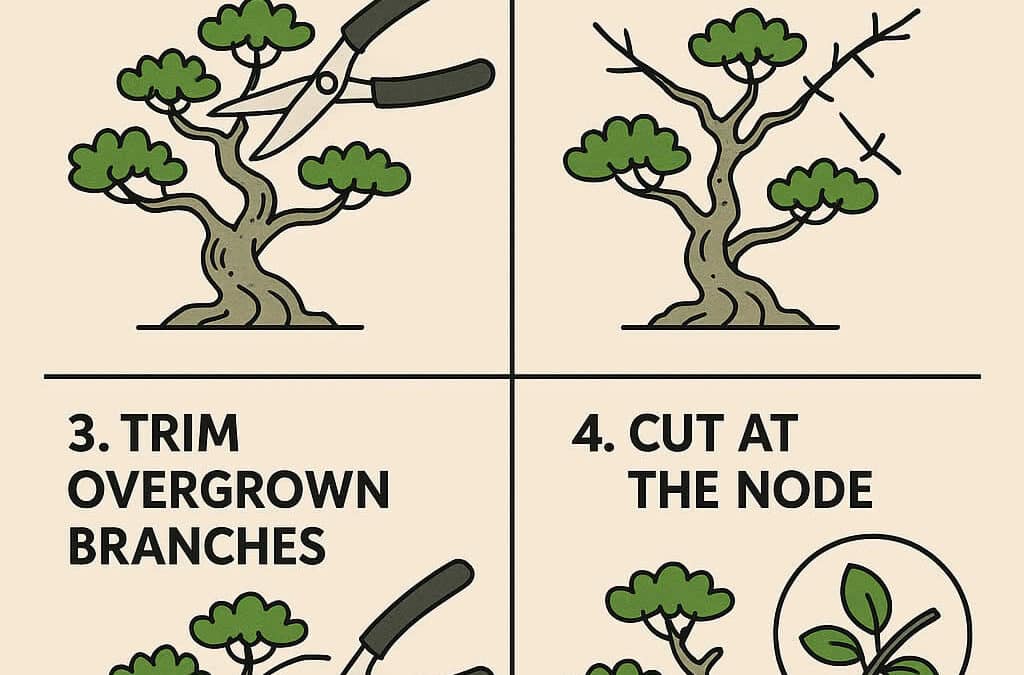
Once planted, narrow trees are surprisingly easy to look after. Most only need light pruning once a year to maintain their shape and encourage healthy growth. Use sharp, clean tools and avoid heavy cutting — it’s better to take a little off regularly than to hack back too much at once.
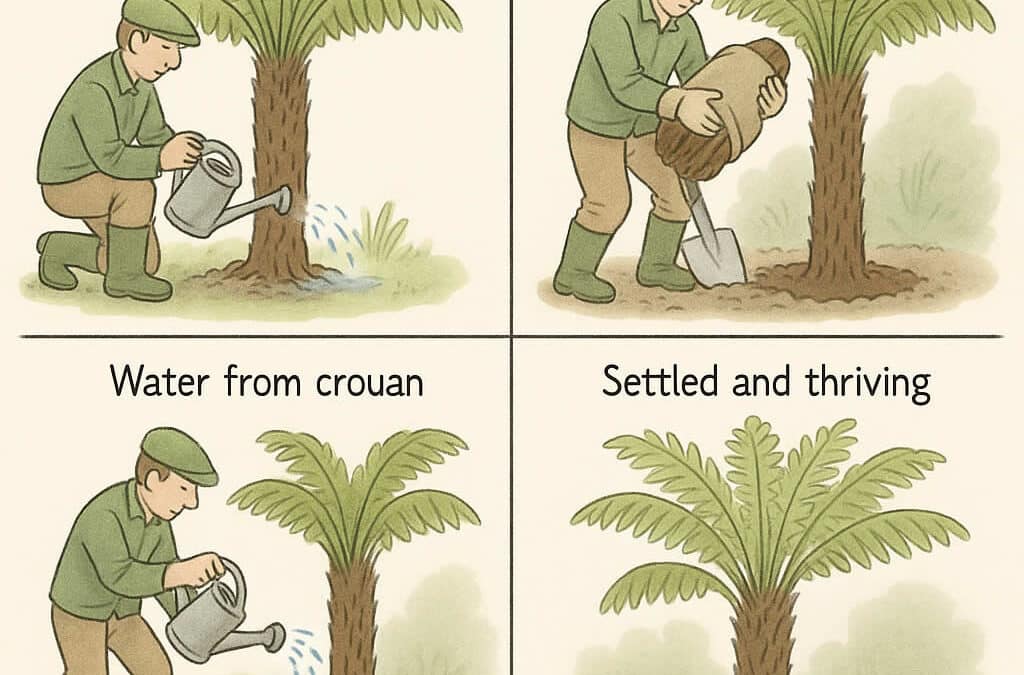
Water well during dry spells, especially in the first couple of years while the roots establish. Mulching around the base helps retain moisture and keeps weeds down. If you’re growing your tree in a pot, remember it’ll need more frequent watering and an occasional feed in the growing season.
Keep an eye out for pests or diseases, particularly if your garden has limited airflow. Good spacing and healthy soil go a long way toward preventing problems. With a little attention each year, narrow trees will stay neat, balanced, and healthy for decades.
Our Final Thoughts
Adding a tree to a small garden might seem like a big step, but narrow trees make it simple. They bring height, movement and structure without overwhelming the space. Whether you want evergreen privacy, seasonal colour, or fruit you can harvest yourself, there’s a narrow tree to suit every type of garden.
We’ve seen how one well-chosen tree can completely transform a small outdoor space — creating shade where you need it, framing a view, or turning an overlooked corner into your favourite part of the garden. The key is choosing wisely, planting carefully, and letting it grow naturally into the space you’ve made for it.
Small gardens don’t need to feel limited. With narrow trees, they can feel taller, greener, and more alive.
Tree Surgeon Wyken – Tree Surgeon Pendeford – Tree Surgeon Boningale