Magnolias are known for their stunning flowers and elegant shape, so it’s no surprise that once one is established in your garden, you’d rather move it than lose it. Whether you’re redesigning your outdoor space, extending your home, or trying to give your magnolia a more suitable spot, transplanting it can be a delicate but rewarding task.
These trees don’t always like being disturbed, especially once they’ve matured, but with careful timing, preparation, and patience, it’s entirely possible to move a magnolia successfully. This guide explains when and how to do it safely while giving your tree the best chance to thrive in its new home.
Why Move a Magnolia Tree?
There are a few reasons you might need to move your magnolia. Sometimes it’s simply in the wrong place — perhaps it’s blocking sunlight from other plants or growing too close to a path or building. In other cases, the soil might be too dry or alkaline, and relocation could help it grow stronger and bloom more reliably.
Magnolias are valuable trees, both in beauty and in sentiment. If you’ve cared for one for years, you don’t want to lose it because of a renovation or landscaping change. Moving it keeps that maturity and charm intact.
It’s worth noting, however, that magnolias don’t respond well to rough handling. Their roots are fleshy and brittle, making them more prone to damage than fibrous-rooted trees. That means timing, technique, and aftercare are all crucial to success.
When Is the Best Time to Move a Magnolia?
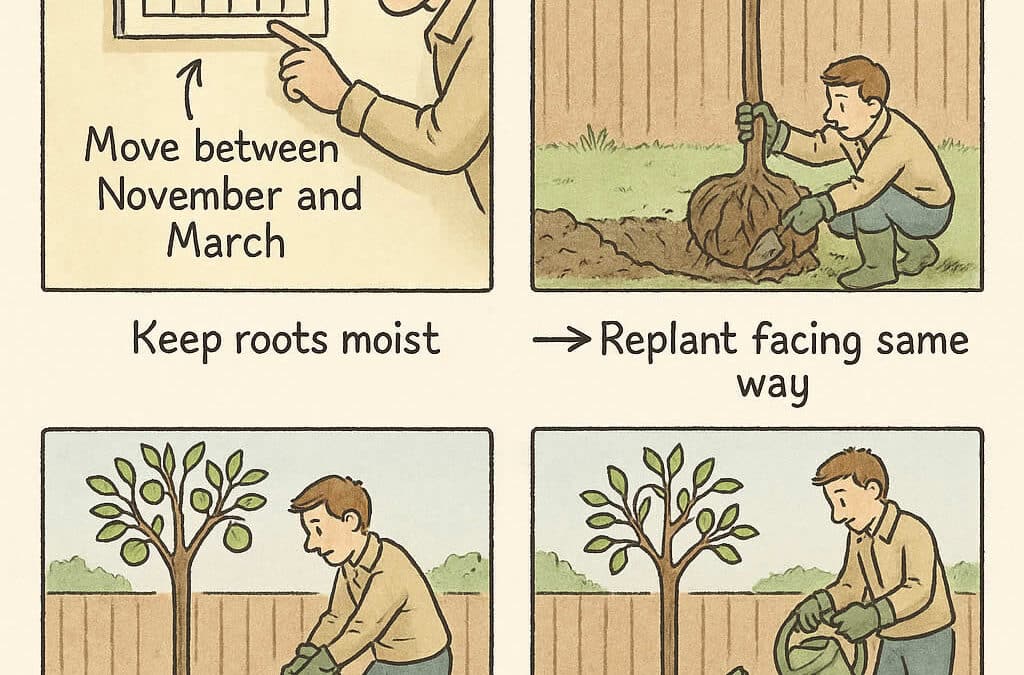
The best time to move a magnolia is during its dormant season — usually late autumn through winter, when the leaves have fallen and growth has paused. During this time, the roots aren’t actively feeding the tree, making it less likely to suffer transplant shock.
Avoid moving magnolias in spring or summer when they’re in full growth or flowering. They’ll struggle to replace the roots lost during the move, and the stress could set them back significantly.
If your magnolia is evergreen (some species are), the window for moving is narrower — early spring or early autumn is often best. Just make sure the soil isn’t frozen or waterlogged, as that can make digging risky and damage fine roots.
How to Move a Magnolia Tree — Step by Step
Moving a magnolia takes care and patience, but following the right steps will help protect its roots and reduce stress.
Inspect and Plan Ahead
First, look at your tree and the space around it. If it’s taller than around 2–3 metres or has a trunk thicker than 8cm, it may be too big to move without professional help. Identify the new location before you start — magnolias prefer slightly acidic, well-drained soil and a sunny but sheltered position. Avoid windy, exposed spots.
Prepare the New Hole
Dig the new planting hole first. It should be roughly twice the width of the tree’s root ball but no deeper than the current soil level. Mix some organic compost into the removed soil to give the roots a nutrient boost once replanted.
Prune the Roots (if moving later)
If you can plan ahead by a few months, prune the roots in advance. Do this by digging a narrow trench around the tree and cutting through the outer roots cleanly. Backfill the trench afterwards. This encourages new feeder roots to form near the trunk, making it easier to lift the tree later with a compact root ball.
Dig the Root Ball
When it’s time to move, start digging a wide circle around the tree, roughly one spade length for every inch of trunk diameter. Work slowly and evenly, aiming to keep as much of the root system as possible intact. Magnolia roots are sensitive — avoid tearing or chopping them unnecessarily.
Lift and Wrap
Once you’ve loosened the root ball, carefully lever it free with a spade or garden fork. Wrap the root ball immediately in hessian or burlap to hold the soil together and prevent roots from drying out. Keep it upright and supported at all times.
Move and Replant
Gently transport the tree to its new spot. Lower it into the hole so that the top of the root ball is level with the surrounding soil. Don’t bury the trunk deeper than it was before. Rotate the tree so that the same side faces the sun, helping it adjust faster.
Backfill and Water Thoroughly
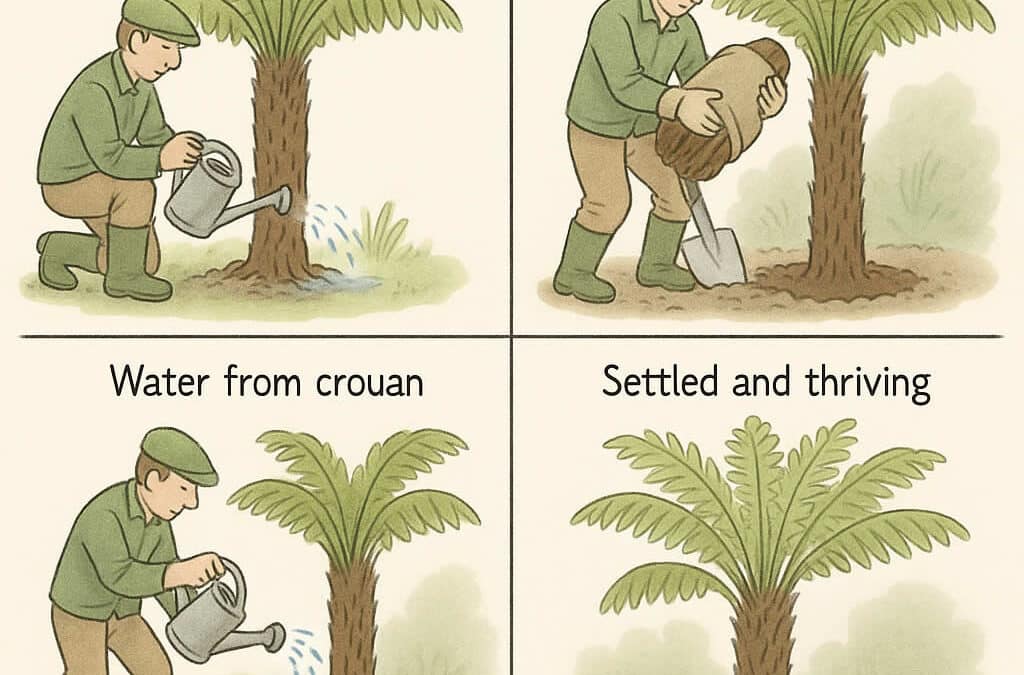
Fill the hole halfway, then water deeply to settle the soil around the roots. Once the water drains, fill in the rest of the hole and firm it gently by hand. Avoid compacting too tightly. Water again, then add a 5–8cm layer of mulch around the base to keep moisture in and weeds out — but keep it away from the trunk.
Stake for Support
If the tree is tall or planted in a breezy spot, stake it loosely using soft ties. This prevents movement that can tear new roots as they form.
Aftercare and Recovery
Your magnolia will need extra care for at least the first year after moving. Keep the soil moist but not soggy — magnolias dislike sitting in water but need consistent moisture to establish. During the first growing season, check it weekly, especially in warm or dry spells.
It’s best to avoid fertilising immediately after transplanting, as the roots are still settling. Wait until the following spring to feed lightly with a slow-release fertiliser formulated for acid-loving plants.
Some leaf drop or reduced flowering is normal after a move. Don’t panic if it takes a year or two to return to full strength. Be patient — magnolias are slow to recover but usually resilient with the right care.
Once you see new growth in spring, you’ll know it’s settling in well. Continue watering regularly throughout the first two summers, then gradually reduce once it’s established.
When to Hire a Professional
If your magnolia is more than three metres tall, moving it safely is a big job. The root ball alone can weigh hundreds of kilograms, and breaking those delicate roots can kill the tree. In these cases, it’s worth calling a professional arborist.
Specialists have access to tree spades, cranes, and transport equipment that make relocation far safer. They’ll also understand how to minimise root loss, replant with precision, and stake properly to support the tree afterward.
If the magnolia holds sentimental or high landscape value, professional help is often the wisest choice.
Closing / Encouragement
Moving a magnolia tree isn’t the easiest gardening task, but it’s one that can be done successfully with patience and care. These trees respond best to gentle handling, moist soil, and stable conditions — so take your time and plan every step.
Once it’s in its new home, a little extra care will go a long way. Before long, those creamy, fragrant blooms will appear again, and you’ll know that saving and moving your magnolia was well worth the effort.
Tree Surgeon Claverley – Tree Surgeon Bushbury – Tree Surgeon Pillaton