If you’ve ever looked up at a tree in your garden and wondered who you’d call if it became dangerous or unhealthy, you might have come across the term tree surgeon. It’s a phrase we use a lot in the UK, but it’s not the only way people describe the profession. In fact, depending on where you live or who you ask, you might also hear them called arborists, arboriculturists, or tree care specialists. The name may vary, but the work is just as important: keeping trees safe, healthy, and properly managed.
Let’s dive into what a tree surgeon really does, why the term arborist is often used as an alternative, and how these roles keep your outdoor spaces safe and thriving.
What does a tree surgeon do?
A tree surgeon’s work covers far more than cutting down trees. The role is closer to that of a doctor for trees, diagnosing issues, providing treatments, and carrying out procedures to keep trees in good condition.
Here are some of the key jobs a tree surgeon handles:
- Pruning and trimming – removing branches to control growth, improve structure, and prevent hazards.
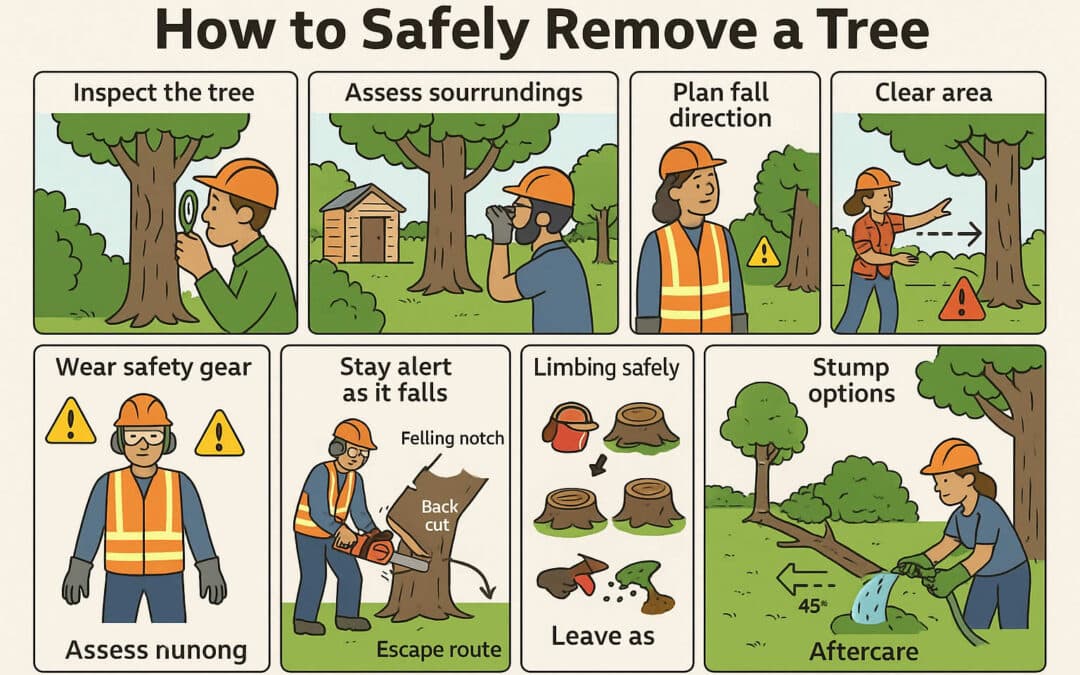
- Tree felling – safely removing trees that are dead, diseased, or in dangerous positions.
- Stump removal – grinding or removing stumps so they don’t cause trip hazards or regrow.
- Disease and pest management – spotting infections, fungi, or insect infestations and treating them before they spread.
- Emergency work – dealing with storm-damaged trees that pose immediate risks to property or people.
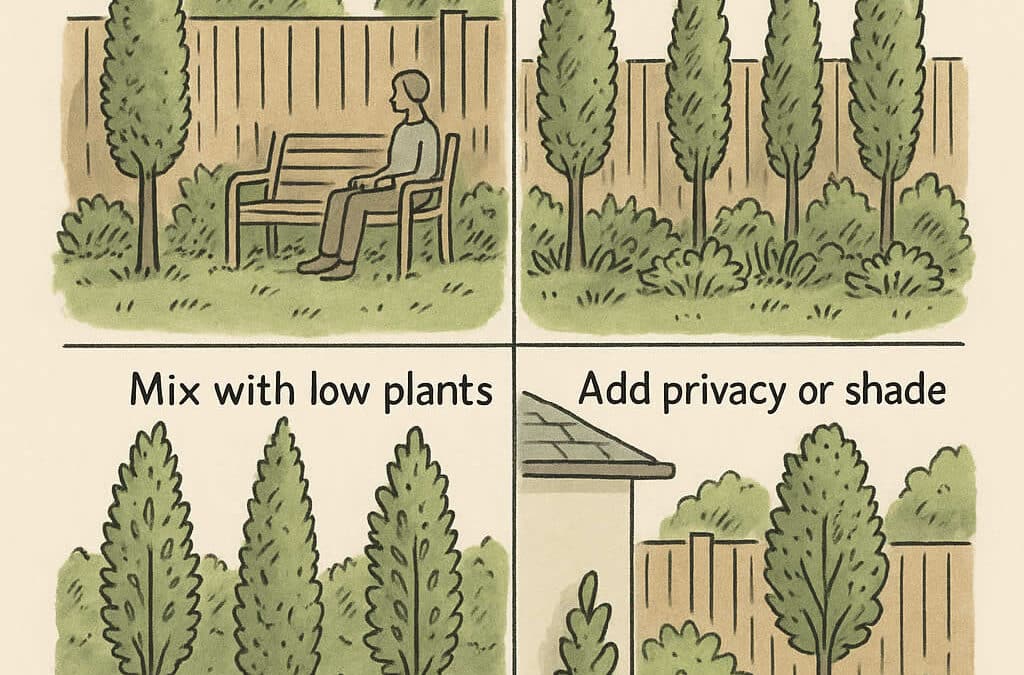
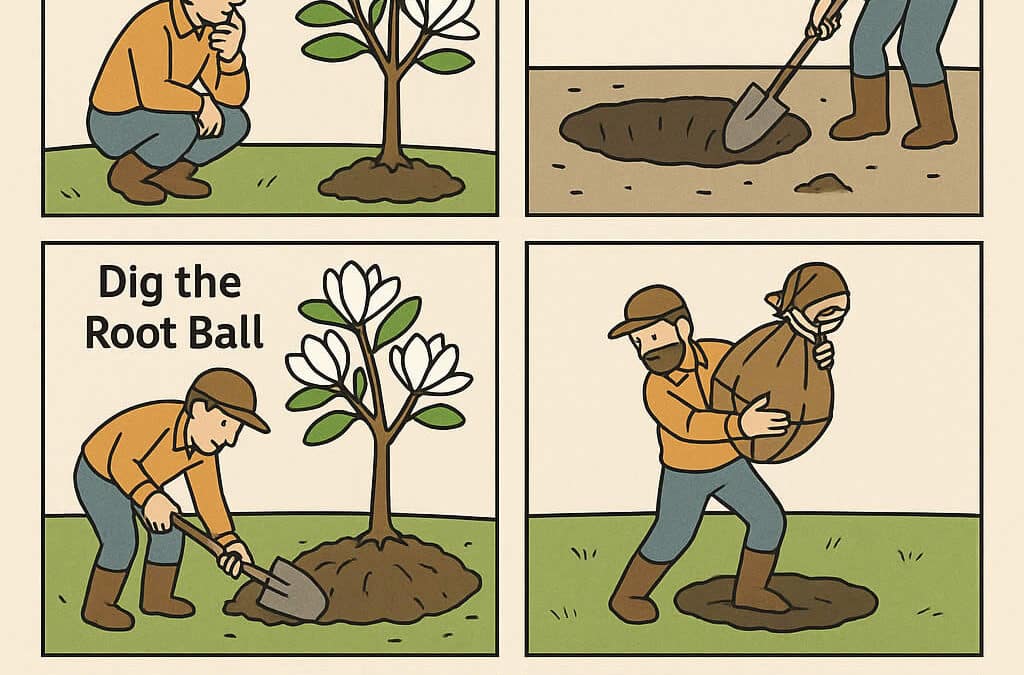
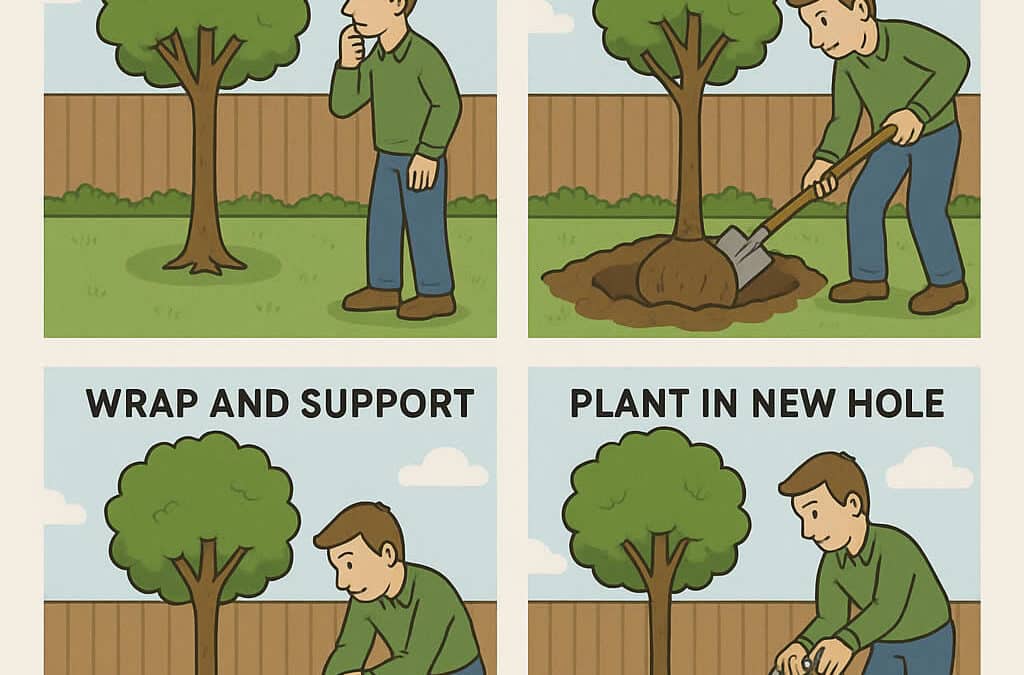
- Planting and advice – recommending the right tree species for a space and planting them properly for long-term health.
What ties all of these tasks together is safety. Tree surgeons work at heights, handle chainsaws, and often operate in challenging conditions. It’s not a DIY-friendly role, and that’s why their skills are so highly valued.
What is another name for a tree surgeon?
The most common alternative name for a tree surgeon is arborist. The term comes from arboriculture, which means the cultivation, management, and study of trees. While “tree surgeon” is widely used in the UK, “arborist” is more common in the US and internationally.
Other names you might hear include:
- Arboriculturist – usually refers to someone with a more academic or consultancy-based role, often advising on planning and development.
- Tree care specialist – a broad, modern term covering all aspects of professional tree management.
- Tree maintenance worker – sometimes used in local councils for teams responsible for public spaces.
So, if you see “tree surgeon” and “arborist” used interchangeably, that’s because they’re essentially describing the same type of professional. Both terms highlight the skill and expertise needed to keep trees in good shape.
Is there a difference between a tree surgeon and an arborist?
In practice, not much. Both roles involve caring for trees, climbing, cutting, diagnosing, and treating. But sometimes the terms hint at a difference in focus.
- Tree surgeon often implies the physical, practical side of the job—climbing, sawing, and removing.
- Arborist suggests a more holistic view, including the science behind tree health and ecology.
That said, most professionals are both. A tree surgeon may describe themselves as an arborist to emphasise their technical training and knowledge, while others stick with tree surgeon because it’s the term most homeowners understand. It’s more about language than a strict divide.
What qualifications does a tree surgeon need?
In the UK, tree surgeons need a blend of training, certification, and practical experience. Safety and skill are key, so reputable professionals usually hold:
- NPTC or City & Guilds qualifications – covering chainsaw use, climbing, and aerial rescue.
- LANTRA training – industry-recognised courses in arboriculture and forestry skills.
- First aid at work – essential given the risks of working at height with heavy tools.
- Specialist certificates – such as safe use of stump grinders, wood chippers, or pesticide application.
Many tree surgeons also gain experience through apprenticeships or working under senior climbers. It’s not just about having the right paperwork—it’s about knowing how to apply that training in real-life situations safely and efficiently.
When should you call a tree surgeon or arborist?
You might not think about calling a tree surgeon until a problem appears, but there are plenty of situations where their expertise is essential:
- After a storm, when branches or whole trees look unstable.
- When roots are damaging drains, walls, or paving.
- If a tree is diseased or shows signs of decay.
- When branches overhang roofs, roads, or neighbouring gardens.
- To shape and prune trees that are growing too large.
- Before construction projects where trees could be affected.
Don’t wait until a tree becomes dangerous. Preventative care from a professional can save you a lot of money and hassle later.
How do tree surgeons keep trees healthy and safe?
Tree surgeons balance safety with preservation. Rather than cutting down trees at the first sign of trouble, their goal is usually to manage risks while protecting the tree’s life.
For example:
- They prune to reduce wind resistance, so trees are less likely to fall in storms.
- They remove deadwood that could drop and injure someone.
- They identify diseases early and treat them before they spread.
- They provide structural support, like cabling, for trees with weak limbs.
By taking a proactive approach, tree surgeons help keep trees healthier for longer while making sure they don’t pose risks to people or property.
Why do some people prefer the term arborist?
Language shapes perception. Some professionals prefer arborist because it suggests technical expertise and science-based knowledge, rather than just physical labour. It highlights that tree care isn’t just about cutting—it’s about understanding biology, soil, ecosystems, and long-term growth.
Clients in commercial or council contracts may also expect the term arborist. It feels more formal, while tree surgeon is often used in residential settings. Ultimately, both names carry respect, but arborist tends to emphasise knowledge, while tree surgeon emphasises skill.
How much does it cost to hire a tree surgeon in the UK?
Costs vary depending on the job, location, and the size of the tree. On average:
- Small pruning jobs can start around £150–£300.
- Tree felling for medium-sized trees is often £400–£800.
- Large or dangerous trees can cost £1,000 or more.
- Stump grinding usually adds £100–£250.
Remember, these costs reflect the equipment, training, insurance, and risk involved. A professional tree surgeon carries liability cover and follows strict safety procedures. Choosing the cheapest quote without proper credentials can be risky—for you and your property.
Are tree surgeons and foresters the same thing?
Not quite. While both work with trees, their focus is different.
- Tree surgeons care for individual trees, often in gardens, parks, and urban settings.
- Foresters manage woodland and forestry areas, usually on a much larger scale, focusing on timber production, conservation, and land management.
Think of it this way: if you need one tree cared for, call a tree surgeon. If you’re managing an entire woodland, you’ll likely deal with a forester. Both professions are important, but their daily tasks and priorities are distinct.
What skills make a good tree surgeon or arborist?
Beyond qualifications, a good tree surgeon or arborist needs a specific set of skills:
- Physical fitness – climbing and handling heavy tools demands strength and stamina.
- Technical knowledge – understanding tree biology, diseases, and proper pruning methods.
- Problem-solving – finding safe, efficient ways to handle tricky jobs.
- Attention to detail – every cut affects how a tree grows and heals.
- Communication – explaining options to homeowners in clear terms.
- Safety awareness – protecting themselves, their team, and the public at all times.
The best tree surgeons combine practical skill with care for the environment. They know when to cut—and when not to.
Conclusion: why the name matters less than the work
So, what’s another name for a tree surgeon? The simple answer is arborist. But whether you use tree surgeon, arborist, or arboriculturist, you’re really talking about someone who specialises in caring for trees.
The title may change, but the value of their work doesn’t. They protect your home from falling branches, help your trees live longer, and keep your garden safe and beautiful. Next time you need one, focus less on the label and more on their experience, training, and reputation. Because in the end, a good tree surgeon—or arborist—isn’t just someone who cuts back trees. They’re someone who helps trees and people live safely side by side.
Tree Surgeon Ackleton – Tree Surgeon Stourton – Tree Surgeon Wordsley