Conifers are a type of tree that are characterised by their needle-like leaves and woody cones. They are one of the most common types of trees found in the world and are used for a variety of purposes. This article will provide an overview of conifers, including their types, characteristics, and uses.
Types of Conifers
Conifers are divided into two main categories: softwoods and hardwoods. Softwoods are typically evergreen trees that have needles and cones, such as pine, spruce, and fir. Hardwoods are deciduous trees that have broad leaves and cones, such as larch, cedar, and cypress.
Characteristics of Conifers
Conifers are known for their needle-like leaves and woody cones. They are also known for their slow growth rate and long life span. Conifers are typically evergreen, meaning they keep their leaves year-round. They are also highly resistant to fire and drought, making them ideal for areas prone to these conditions.
Uses of Conifers
Conifers are used for a variety of purposes. They are often used as ornamental trees in landscaping and parks. They are also used for timber, as their wood is strong and durable. Conifers are also used for paper production, as their wood is ideal for making paper pulp. Finally, conifers are used for fuel, as their wood is a good source of energy.
In conclusion, conifers are a type of tree that are identified by their needle-like leaves and woody cones. They are divided into two main categories: softwoods and hardwoods. Conifers are known for their slow growth rate and long life span, as well as their resistance to fire and drought. They are used for a variety of purposes, including landscaping, timber, paper production, and fuel.
How to Identify Different Types of Conifers
Conifers are a popular choice for landscaping and can be found in many different shapes and sizes. Identifying different types of conifers can be a challenge, but with a few tips, it can be done.
The first step in identifying conifers is to look at the needles. Needles can be short and stubby, long and thin, or somewhere in between. They can also be flat or round, and may be arranged in clusters or singly. Additionally, some conifers have needles that are arranged in two rows, while others have needles that are arranged in a spiral pattern.
The next step is to look at the cones. Cones can be small and round, or large and elongated. They can also be smooth or scaly, and may be held upright or hang down. Additionally, some conifers have cones that are held in clusters, while others have cones that are held singly.
Finally, it is important to look at the bark. Bark can be smooth or rough, and may be gray, brown, or reddish in color. Additionally, some conifers have bark that is scaly or peeling, while others have bark that is deeply furrowed.
By looking at the needles, cones, and bark of a conifer, it is possible to identify the type of tree. With a little practice, it is possible to become an expert at identifying different types of conifers.
The Benefits of Planting Conifers in Your Garden
Conifers are a type of evergreen tree or shrub that are widely used in landscaping and gardening. They are popular for their attractive foliage, hardiness, and low maintenance requirements. Planting conifers in your garden can provide a number of benefits, including year-round color, privacy, and wind protection.
One of the main advantages of planting conifers in your garden is that they provide year-round color. Conifers are evergreen, meaning they keep their foliage throughout the year. This means that even during the winter months, when other plants may be dormant, conifers will still be providing your garden with a splash of color.
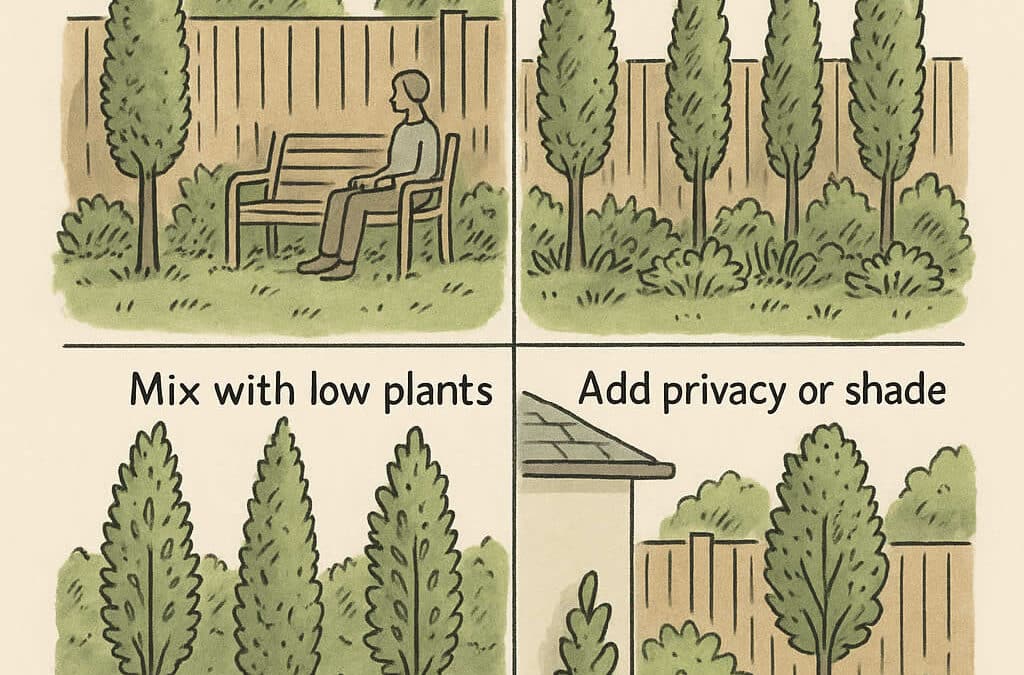
Another benefit of planting conifers in your garden is that they can provide privacy. Conifers can be planted in a line to create a natural barrier between your garden and the outside world. This can be especially useful if you live in a busy area or have nosy neighbors.
Finally, conifers can provide wind protection. Planting conifers in your garden can help to reduce the amount of wind that reaches your other plants. This can be especially beneficial in areas that experience strong winds, as it can help to protect more delicate plants from damage.
In conclusion, planting conifers in your garden can provide a number of benefits, including year-round color, privacy, and wind protection. If you are looking for an attractive and low-maintenance way to spruce up your garden, conifers are an excellent choice.
Tips for Growing and Caring for Conifers
- Plant conifers in a sunny location with well-drained soil. Conifers prefer full sun, but some varieties can tolerate partial shade.
- Water conifers regularly during the first growing season. After that, they should be able to survive on natural rainfall.
- Fertilise conifers once a year in the spring with a balanced fertiliser.
- Prune conifers to maintain their shape and size. Pruning should be done in the late winter or early spring before new growth begins.
- Protect conifers from extreme temperatures. In cold climates, conifers should be protected from winter winds and extreme cold. In hot climates, conifers should be protected from the sun and heat.
- Watch for pests and diseases. Common pests include aphids, scale, and spider mites. Common diseases include needle blight and root rot.
- Mulch around conifers to help retain moisture and keep weeds at bay.
- Plant conifers in groups for a more attractive landscape.
Following these tips will help ensure that your conifers stay healthy and thrive in your landscape.
Common Diseases and Pests Affecting Conifers
Conifers are a type of evergreen tree that are widely used in landscaping and forestry. They are known for their hardiness and ability to thrive in a variety of climates. However, like all plants, conifers are susceptible to certain diseases and pests. Understanding the common diseases and pests that affect conifers can help you take steps to protect your trees.
One of the most common diseases affecting conifers is needle blight. This fungal disease is caused by a variety of fungi, including Lophodermium, Rhizosphaera, and Stigmina. Needle blight causes needles to turn yellow or brown and drop prematurely. It can also cause branch dieback and cankers on the trunk. To prevent needle blight, it is important to keep conifers well-watered and prune away any dead or diseased branches.
Another common disease affecting conifers is root rot. This fungal disease is caused by a variety of fungi, including Phytophthora, Armillaria, and Pythium. Root rot causes the roots of the tree to become weak and unable to absorb water and nutrients. Symptoms of root rot include yellowing leaves, wilting, and branch dieback. To prevent root rot, it is important to keep conifers well-drained and avoid overwatering.
Pests can also be a problem for conifers. One of the most common pests is the pine sawfly. This insect feeds on the needles of conifers, causing them to turn yellow and drop prematurely. To control pine sawfly, it is important to remove any affected needles and apply an insecticide.
Another common pest is the bark beetle. This insect feeds on the bark of conifers, causing it to become weakened and die. To control bark beetles, it is important to remove any affected bark and apply an insecticide.
The Role of Conifers in Ecosystems
Conifers are a type of tree that are found in many different ecosystems around the world. They are an important part of the environment, providing a variety of benefits to the ecosystem. Conifers play a vital role in the health of the environment, providing food, shelter, and oxygen to the surrounding area.
Conifers provide food for a variety of animals, including birds, squirrels, and other small mammals. The seeds of conifers are a valuable source of nutrition for these animals, and the needles of the trees provide a source of protein. The nuts of conifers are also a valuable food source for many animals.
Conifers also provide shelter for a variety of animals. The dense foliage of conifers provides a safe place for animals to hide from predators and the elements. The branches of conifers also provide nesting sites for birds and other animals.
Conifers also play an important role in the oxygen cycle. The leaves of conifers absorb carbon dioxide from the atmosphere and release oxygen into the air. This oxygen is essential for all living things, and conifers are a major source of it.
Conifers are also important for the health of the soil. The roots of conifers help to hold the soil in place, preventing erosion. The needles of conifers also help to add nutrients to the soil, which helps to promote healthy plant growth.
Conifers are an important part of many ecosystems around the world. They provide food, shelter, and oxygen to the surrounding area, and they help to keep the soil healthy. Without conifers, many ecosystems would not be able to survive.
The History and Cultural Significance of Conifers
Conifers are a group of plants that have been around for millions of years and have played an important role in the history and culture of many societies. They are cone-bearing trees and shrubs that are found in many parts of the world, including North America, Europe, Asia, and Australia.
Conifers have been used for a variety of purposes throughout history. In ancient times, they were used for building materials, fuel, and medicine. They were also used for religious ceremonies and as symbols of strength and protection. In some cultures, conifers were believed to have magical powers and were used in rituals to ward off evil spirits.
In more recent times, conifers have been used for landscaping and ornamental purposes. They are often used to create privacy screens, windbreaks, and to provide shade. They are also popular for their aesthetic value, as they come in a variety of shapes and sizes and can be used to create beautiful gardens.
Conifers are also important to the environment. They are a major source of oxygen and help to reduce air pollution. They also provide habitat for a variety of wildlife, including birds, mammals, and insects.
Conifers have a long and rich history and cultural significance. They have been used for a variety of purposes throughout history and continue to be an important part of our environment and culture today.
Tree Surgeon Latherford – Tree Surgeon Shutt Green – Tree Surgeon Rowley Regis