Apple tree lifespan varies dramatically depending on the variety and care they receive. Surprisingly, while commercial growers typically replace their trees after just 20-25 years, the biological potential of these fruit bearers can be twice as long or more. I’ve personally maintained about 30 apple trees that are now approximately 45 years old, though their productivity began declining after their twentieth year.
Many gardeners wonder how long do apple trees live in different forms. Standard full-size trees can thrive for up to 100 years with proper care, while semi-dwarf varieties typically last 20-25 years. Dwarf apple trees, however, have the shortest lifespan at only 15-20 years. In fact, some specially trained mature fruit trees demonstrate remarkable longevity—espaliered apple trees can remain productive for over 150 years due to their unique structure. Even an old apple tree that’s been neglected can bounce back with proper attention, as evidenced by 40-year-old specimens that begin fruiting again after receiving care.
Understanding Apple Tree Lifespan
The anticipated lifespan of apple trees depends largely on their size classification and the rootstock they’re grafted onto. When planning your orchard, understanding these differences helps set realistic expectations for how long your trees will produce fruit.
Lifespan by tree type: dwarf, semi-dwarf, standard
Full-size standard apple trees boast impressive longevity, living up to 100 years with proper care. These majestic trees require patience, typically beginning fruit production after five to six years.
In contrast, semi-dwarf varieties offer a middle ground, with lifespans averaging 20-25 years. These trees start fruiting earlier—usually after three to four years—making them popular for home orchards despite their shorter lives.
Dwarf apple trees live considerably less time, typically 15-20 years at maximum. However, they begin producing fruit within just two to three years after planting.
Mini dwarf trees, the smallest option, generally survive only 10-15 years. These compact trees are perfect for small spaces but require the most intensive care to maintain health throughout their shortened lives.
How long do apple trees live in ideal conditions?
For apple trees to reach their maximum potential lifespan, several environmental factors must align:
- Full sun exposure (minimum 6-8 hours daily)
- Well-drained soil with sandy loam texture
- Consistent watering without waterlogging
- Regular pruning to maintain structure
- Proactive pest and disease management
Under these ideal conditions, standard trees can indeed reach the century mark, while even dwarf varieties may exceed their typical lifespans by several years. Furthermore, some specialized training methods can dramatically extend longevity—espaliered apple trees have remained productive for over 150 years primarily because their structured growth pattern reduces branch breakage.
Why rootstock matters for longevity
Rootstock selection is perhaps the single most influential factor in determining how long your apple tree will live. Essentially, dwarfing rootstocks produce smaller trees because they’re less efficient at gathering resources. This creates an interesting trade-off: trees put more energy into fruiting at the expense of vegetative growth, making them more efficient producers but shortening their lives.
The differences in life expectancy between rootstocks are remarkable. Trees on MM106 (semi-dwarfing) rootstock can live around 50 years, while those on M27 (extremely dwarfing) survive merely 10 years.
Additionally, scientific research shows that fine roots on dwarfing rootstock combinations have smaller diameters and shorter lifespans than those on vigorous rootstocks. These fine roots are critical for nutrient and water uptake, consequently affecting the tree’s overall longevity and health.
When selecting an apple tree, consider not just its size but also how long you want it to produce fruit. Standard trees require more space but offer generations of harvests, whereas dwarf varieties provide quicker returns in smaller spaces at the cost of longevity.
What Happens as Apple Trees Age
As apple trees progress through their life cycle, they undergo noticeable changes in productivity and appearance. Recognizing these shifts helps determine whether your mature fruit tree needs intervention or is simply following its natural aging pattern.
Changes in fruit production over time
Once an apple tree reaches 5-6 years, it typically establishes a regular fruiting routine. Throughout this productive phase, your tree demonstrates consistent yields. Nevertheless, as trees age beyond 20 years, their production naturally becomes more irregular.
This explains why commercial orchards typically replace apple trees after 20-25 years, despite their biological lifespan being at least double that figure. Older trees often develop a biennial bearing pattern—producing heavily one year followed by little to no fruit the next. This occurs because the tree depletes its reserves during heavy fruiting years and needs time to rebuild resources.
Metabolism and nutrient depletion in old apple trees
The aging process in apple trees primarily involves changing metabolism and resource allocation. Similar to humans, fruit trees clearly show lower energy levels as they age. After a substantial harvest, the tree’s nutrient reserves become significantly depleted.
By dormancy, an aging tree often lacks sufficient accumulated nutrients to initiate another full fruiting cycle the following season. The root system plays a crucial role in this process—roots determine whether the tree produces blossoms based on stored reserves. Consequently, the tree might produce leaves but no flowers the following year while attempting to restore its energy balance.
Common signs of aging in mature fruit trees
Identifying an aging apple tree involves looking for several key indicators:
- Overcrowded, dense spur systems – Older trees develop stubby branches with crowded flowering spurs
- Reduced new growth – Mature trees produce minimal new branches compared to younger specimens
- Irregular fruiting – Fruiting becomes an inconsistent, often biennial event
- Trunk discoloration – The trunk may turn reddish instead of healthy gray, signaling potential problems
- Dead wood accumulation – Often indicates drainage issues as roots become less efficient
Interestingly, fruit trees like apples develop “veteran features” at a relatively young age—around 40 years old. These features, particularly hollowing trunks, create valuable wildlife habitats much faster than longer-lived hardwood species.
Under proper care, even trees showing these aging signs can remain productive. Opening up the crown by reducing overcrowded branches improves light penetration and air circulation, which subsequently encourages new growth that can replace older, worn-out limbs.
How to Extend the Life of a Mature Apple Tree
Proper maintenance dramatically extends the productive years of your orchard, turning a naturally limited lifespan into decades of abundant harvests. Through six key practices, you can maximize how long your apple trees live while maintaining fruit quality.
1. Prune correctly and at the right time
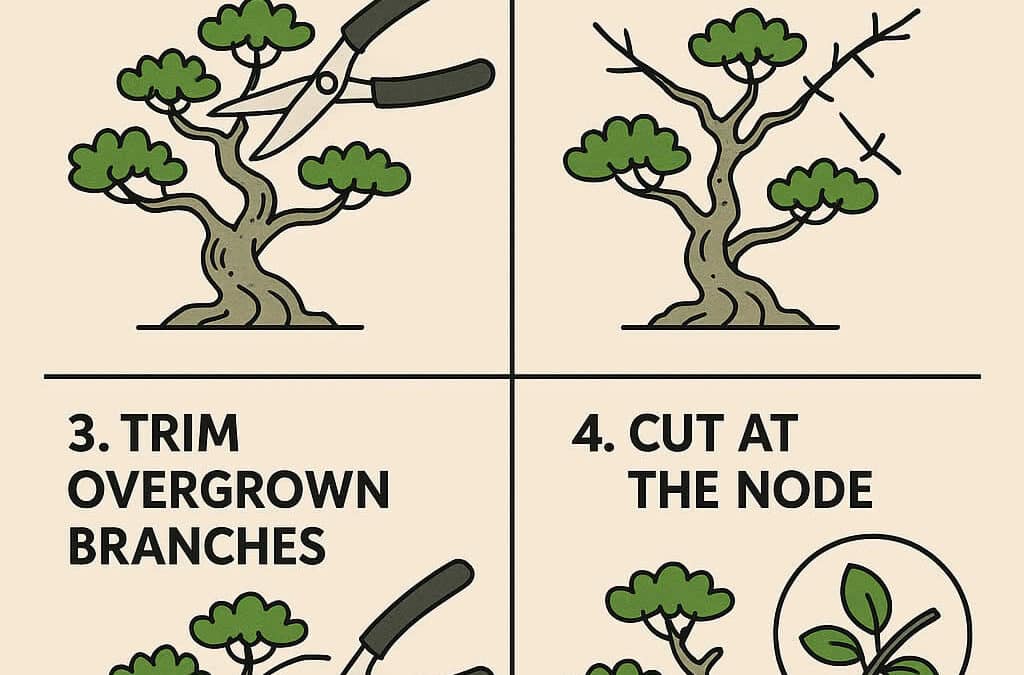
Winter pruning (November to early March) stimulates vigorous growth in apples and pears, while stone fruits benefit from summer pruning. For mature trees, limit pruning to 20% of the canopy annually to prevent stress. Create an open, goblet-shaped crown with well-spaced branches to improve air circulation and light penetration. Always cut to a branch collar with clean tools, as improper cuts invite disease.
2. Improve soil health and drainage
Apple trees thrive in well-drained soil with a pH between 6.0 and 6.5. Poor drainage leads to root decay and diseases like Phytophthora root rot. Apply a thick organic mulch (7.5-10cm deep) annually, keeping it away from the trunk to prevent bark decay. Organic mulches simultaneously improve soil structure, retain moisture, and add nutrients as they decompose.
3. Manage pests and diseases proactively
Rather than relying on chemical treatments, foster biodiversity to create natural pest control. Many beneficial insects like ladybirds, lacewings, and parasitic wasps regulate pest populations naturally. Remove infected branches promptly, cutting back to healthy wood on dry days. For apple scab and canker, winter pruning helps remove infected material before spring growth begins.
4. Thin fruit to reduce stress
Even after the natural “June drop,” trees often retain more fruit than they can properly develop. Thinning cooking apples to one fruit every 15-23cm and dessert varieties to one every 10-15cm produces larger, healthier fruit. This practice simultaneously reduces branch breakage risk and encourages next year’s fruit bud development, preventing biennial bearing.
5. Water and fertilize consistently
Established trees rarely need watering except during prolonged dry spells, primarily when fruit is swelling. For fertilization, apply a high-potassium general fertilizer in early spring. Cooking apples typically need more nitrogen than dessert varieties. Monitor for magnesium deficiency (yellowing between leaf veins), which can be corrected with magnesium sulfate sprays.
6. Avoid over-pruning or neglect
Removing more than 20% of a tree in one year triggers excessive growth at the expense of fruit production. Simultaneously, neglect allows diseases to establish and structural problems to develop. Balance is key—provide consistent, moderate care rather than fluctuating between intensive management and abandonment.
Renovating and Rejuvenating Old Apple Trees
Finding an old, neglected apple tree in your garden presents both a challenge and an opportunity for extending its productive apple tree lifespan. With proper renovation techniques, even severely overgrown specimens can become attractive and fruitful garden features once again.
Year-by-year renovation plan
Renovating a mature apple tree requires patience. According to experts, you should remove no more than 25% of the canopy in any one year. If more extensive pruning is needed, spread the work over 2-3 years to prevent stress and excessive watershoot growth.
The timing of renovation pruning matters greatly. For major structural work, choose the dormant season (late autumn to late winter) when the tree isn’t in leaf. If fruit production is your primary goal, some experts recommend limiting initial renovation to first-phase work, particularly with cherry trees or when fruit isn’t the main concern.
Throughout the first summer after pruning, you’ll notice numerous “water shoots” appearing around pruning cuts. Instead of cutting these off, pull them off from June onwards when they reach about 30cm long. Likewise, thin any fruits to one per cluster, spacing clusters 15-22cm apart.
When to remove vs. restore an old apple tree
Before investing time in renovation, assess whether your old apple tree is worth saving. Examine the trunk and major branches carefully—they should be reasonably sound and free from large areas of dead wood. To check branch health, scrape back a little bark; a bright green layer underneath indicates good vigor, while greenish-brown suggests decline.
Old fruit trees offer valuable biodiversity benefits and character to gardens, making restoration worthwhile even if they won’t produce enormous harvests. Nevertheless, if examination reveals serious structural problems or the trunk is hollow, the tree may have limited lifespan remaining and could become unsafe.
Tips for restoring neglected trees
When renovating an old apple tree, follow this sequence:
- First, remove all dead, broken branches and suckers growing around the base
- Second, cut out crossing, duplicate, and inward-growing branches to reduce congestion
- Third, lower the height by pruning to outward-growing side branches that are at least one-third the diameter of the branch being removed
For mature apple trees that produce little new growth but have overcrowded spur systems, focus on thinning out congested spurs, aiming for 10-15cm between them. Additionally, create a “tree circle” with at least 90cm radius around the base, removing competing vegetation.
Primarily, improving nutrition is crucial for rejuvenation. Apply organic matter annually as mulch while ensuring adequate watering, especially during dry periods. With these approaches, an old apple tree can begin a new lease on life, potentially extending its productive years significantly.
Our Final Say!
Apple trees truly represent remarkable long-term investments for any garden or orchard. Throughout this article, we’ve discovered that standard varieties can live up to a century, while their dwarf counterparts typically last 15-20 years. Rootstock selection undoubtedly plays the most crucial role in determining longevity, with dwarfing rootstocks trading lifespan for earlier fruiting.
Age affects apple trees significantly, changing their productivity patterns and often leading to biennial bearing after 20 years. Commercial growers replace their trees during this period, though home gardeners can extend productivity much longer. My own 45-year-old trees still produce fruit, albeit less consistently than during their prime years.
Proper care makes all the difference between premature decline and extended productivity. Regular pruning, soil management, pest control, fruit thinning, and appropriate watering form the foundation of apple tree maintenance. These practices help trees resist diseases while maintaining vigor throughout their natural lifespan.
Old apple trees deserve special consideration before removal. Many neglected specimens can bounce back with phased renovation over several years, providing both esthetic beauty and valuable wildlife habitat. Their hollowing trunks and veteran features actually create biodiversity benefits much faster than longer-lived hardwood species.
Last but certainly not least, patience rewards the apple grower. While dwarf trees offer quicker harvests, standard varieties provide generations of fruit with proper care. Whether you choose short-lived dwarf varieties for small spaces or commit to standard trees for maximum longevity, understanding your apple tree’s natural lifecycle helps set realistic expectations while maximizing its productive years.
Tree Surgeon Hatherton – Tree Surgeon Amblecote – Tree Surgeon Codsall