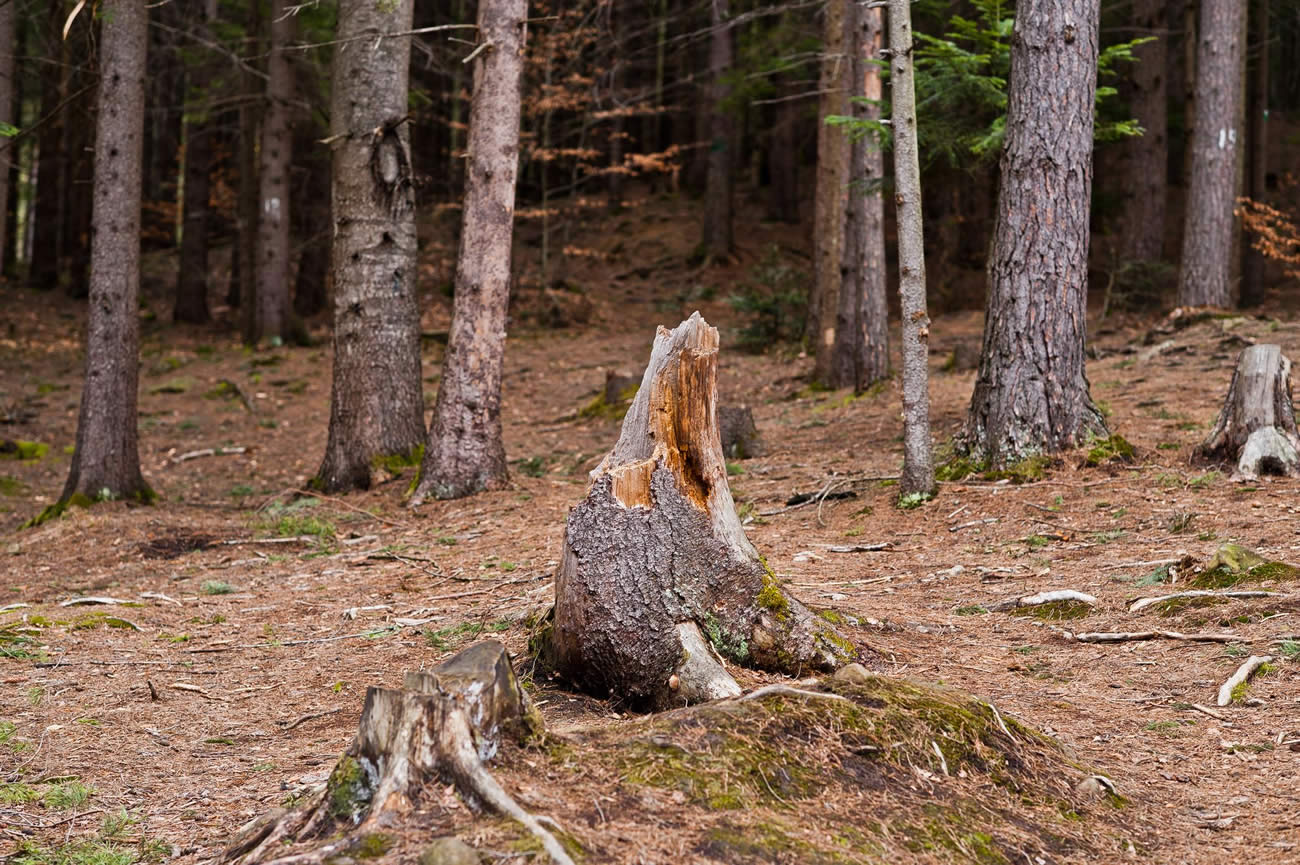
If you’ve got a rotten tree stump sitting in your garden, you’ll know how much of a pain it can be. Maybe it’s been there for ages after an old tree came down. Maybe you’ve just moved in and inherited it. Either way, it’s not doing you any favours. Rotten stumps don’t just ruin the look of your space—they get in the way, attract pests, and can even become a hazard underfoot. But the good news is, you can get rid of it. And you can do it without heavy machinery or making a mess. Here’s how.
This guide walks you through safe and practical ways to remove a rotten tree stump. It’s not all about brute force. If the wood’s already breaking down, you’ve got the upper hand. With a bit of patience and the right approach, you’ll soon have a clear, usable space again.
Quick Reference Table: Rotten Tree Stump Removal
| ❓ Question | 💡 Quick Answer |
|---|---|
| Why remove a rotten tree stump? | Trip hazard, pest risk, fungal spread, and wasted space. |
| How do you know it’s rotten enough? | Soft texture, crumbling bark, fungi growth, or musty smell. |
| Best tools for safe removal? | Spade, hand saw, gloves, goggles, loppers, optional drill. |
| Steps to remove a rotten stump? | Clear soil, cut roots, break stump, soften leftovers, refill hole. |
| How long does it take? | 1–6 hours depending on stump size and decay level. |
| Is burning the tree stump a good idea? | No—unsafe, slow, may breach local fire rules. |
| When is the best time to remove it? | Spring to early autumn—mild, moist soil helps. |
| What can you do with leftover wood? | Compost, mulch, or take to your local recycling centre. |
Did you know how to remove a tree stump can take up to ten years if left to nature’s devices? Surprisingly, that unsightly stump in your garden could remain a persistent eyesore for a decade without intervention.
Whether you’re faced with a rotting tree stump that’s becoming a hazard or simply want to reclaim your garden space, there are several effective removal methods to consider. The average cost for professional tree stump removal can reach as much as £800 for larger specimens or those in difficult locations. However, there are more affordable alternatives worth exploring.
From manual techniques that involve removing a tree stump by hand to chemical applications that accelerate stump rot, we’ve researched the most effective approaches. Although dead wood provides habitat for approximately 2000 saproxylic invertebrates in the UK, there are legitimate reasons why stump removal becomes necessary.
In this guide, we’ll explore when to remove stumps, how to tackle the job yourself, and when it’s best to call in professionals. Let’s dig into the most practical methods to safely and effectively handle that stubborn stump.
When Should You Remove a Rotten Tree Stump?
Deciding to tackle tree stump removal requires careful consideration of several factors. While some stumps pose genuine hazards that necessitate immediate action, others might best be left in place. Understanding the difference is key to making the right choice for your garden and local ecosystem.
Signs the stump is unsafe or hazardous
A decaying tree stump can develop into more than just an eyesore. The first telltale sign of rot is often an unpleasant, musty odour emanating from the wood. Upon closer inspection, you might notice the stump feels spongy or soft to touch, rather than firm like healthy wood.
One of the most obvious indicators is fungal growth. Mushrooms sprouting around the base clearly show that decomposition has set in. Furthermore, a rotting stump inevitably attracts unwanted visitors:
- Termites, beetles, carpenter ants and other wood-boring insects that may eventually spread to nearby structures
- Rodents, snakes and other pests seeking shelter in the decaying wood
- Disease-causing fungi that could potentially spread to healthy plants
These pest infestations don’t just remain confined to the stump. Once established, they can migrate to healthy trees and even your home, causing significant structural damage over time.
Physically, rotting stumps create genuine safety concerns. They become tripping hazards, especially as they become obscured by surrounding vegetation. This is particularly dangerous for children playing or elderly people walking in the garden. Additionally, as a stump decomposes, the ground around it may become unstable, potentially leading to sinkholes or uneven terrain.
When leaving it benefits wildlife
Despite these risks, there are compelling reasons to consider leaving a stump in place. Dead wood provides essential habitat for approximately 2000 species of saproxylic invertebrates in the UK alone. These creatures, along with wood-decaying fungi, play a vital role in recycling nutrients back into the soil.
Moreover, crevices that develop in decaying wood create nesting and roosting sites for bats and birds. The tunnels created by wood-boring beetles often become homes for cavity-nesting solitary bees, including red mason and leaf-cutting varieties.
For aesthetics, consider transforming an unsightly stump into a garden feature. Some options include:
- Hiring a chainsaw artist to sculpt the stump
- Planting vigorous climbers like roses or clematis to cover the stump with flowers
- Creating a natural planter by hollowing out the top
Legal or structural reasons for removal
Nevertheless, certain circumstances make removal the only sensible option. Soil-borne diseases such as phytophthora root rot, verticillium wilt, and certain species of honey fungus can remain in the soil after a tree has died and potentially spread to other plants. In these cases, removing the stump and large roots is advisable.
Root systems can continue growing even after the main trunk is removed. Over time, these persistent roots may invade underground pipes, drainage systems, and even foundations. Consequently, they can cause structural issues that become expensive to repair. This becomes particularly concerning when the stump is located near buildings or infrastructure.
Additionally, in some situations, stump removal is necessary to comply with regulations. According to UK countryside stewardship grants, removing stumps may be required when they restrict access for habitat restoration or management works.
Before deciding how to remove a tree stump, assess your specific situation carefully, considering both the potential risks of leaving it and the ecological benefits it might provide.
Manual Tree Stump Removal Techniques
Removing a tree stump manually requires proper technique and the right tools, but often proves more cost-effective than hiring professionals who might charge up to £635 for large stumps or those in difficult locations. With patience and physical effort, even substantial stumps can be extracted without specialised equipment.
How to remove a tree stump by hand
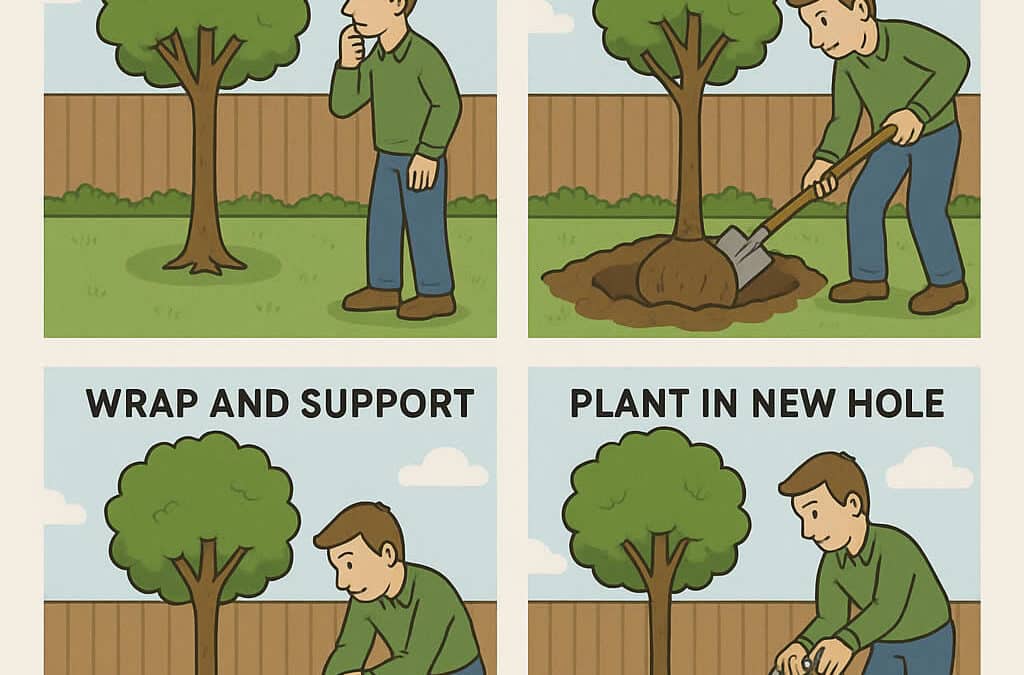
The process begins by creating access to the root system. First, dig a ring around the base of the stump using a spade or mattock, exposing as many roots as possible. This preliminary work significantly impacts your success – the more roots you uncover initially, the easier the subsequent steps become.
For optimal leverage when removing larger stumps, leave approximately 1.2 metres of trunk above ground level. This extension provides a natural lever that helps rock the stump back and forth to loosen the root structure as you work.
After exposing the root system, work methodically around the stump:
- Start digging downward, removing soil to reveal deeper roots
- Clean excess dirt away using water from a hose or pressure washer to better visualise the root network
- Cut through exposed roots progressively further from the base
- Continue this process of digging and cutting until the stump becomes loose
One effective approach involves making your cuts as far away from the trunk as possible. This strategy creates greater leverage when it comes time to extract the stump completely.
Tools needed for digging and cutting roots
Successful manual stump removal depends heavily on having appropriate tools. Essential equipment includes:
- Mattock: A combination tool with a pickaxe on one end and a hoe on the other – perfect for loosening soil and chopping smaller roots
- Bow saw: Ideal for cutting through roots without risking damage from soil contact
- Shovel: For removing loosened soil and gaining access to deeper roots
- Axe: Useful for severing larger roots (requires proper handling technique)
- Digging bar: An iron bar with a sharpened end that works effectively for cutting roots in tight spaces
- Hand winch: Provides mechanical advantage for extracting stubborn stumps once roots are cut
Safety equipment remains equally important. Steel-toed work boots protect feet from falling objects and sharp tools, while thick work gloves prevent blisters and cuts. If using power tools like chainsaws or reciprocating saws, additional protection including face shields and specialised gloves becomes necessary.
Dealing with stubborn taproots
The taproot often presents the greatest challenge in manual stump removal. This primary vertical root anchors the tree deeply into the ground and typically requires focused attention.
To address a stubborn taproot:
- Dig deeply around and under the root ball to fully expose the taproot
- Clean the taproot thoroughly with water to remove soil that might dull cutting tools
- Ensure the surrounding area is clear of people, pets and valuable objects
- Sever the taproot using an axe, bow saw, or reciprocating saw with pruning blade
For particularly resistant stumps, mechanical advantage becomes valuable. A hand winch rated for 4,000 pounds or more, combined with properly positioned straps and snatch blocks, can triple your pulling power. This setup creates a compound pulley system that multiplies force applied to the stump.
Initially, you might notice minimal movement. Subsequently, alternate between pulling with the winch and cutting any newly exposed roots until the stump begins lifting from the ground. Each pull typically raises the stump slightly, revealing additional roots requiring cutting before final extraction becomes possible.
Chemical Methods to Speed Up Stump Rot
For those seeking a less physically demanding way to remove a tree stump, chemical decomposition offers an effective alternative. This method accelerates the natural decay process, breaking down woody material over time rather than requiring immediate extraction.
Using Epsom salt or potassium nitrate
Epsom salt (magnesium sulphate) works by drawing moisture out of the stump, causing it to dry out and decay faster. This budget-friendly option costs approximately £7.94 for a 19lbs bag and disrupts the wood’s ability to retain nutrients, accelerating the dying process.
Potassium nitrate provides a more potent chemical alternative. It creates optimal conditions for fungal growth, which naturally breaks down wood fibres. As the document explains, “The decay of wood is caused by fungi, potassium nitrate can be used to provide the best possible environment for fungal growth and wood decay”. This substance increases oxygen availability for wood-decomposing bacteria.
Both methods require patience—results typically take between 6 weeks to 6 months depending on stump size and environmental conditions.
Drilling and applying chemicals safely
First, cut the stump as close to ground level as possible. Next, using a power drill with a wide bit (minimum 1 inch), create several deep holes in the stump:
- Drill vertically into the top of the stump, spacing holes a few inches apart
- For better results, add 45-degree angle holes from the sides that intersect with vertical holes
- Ensure holes have a minimum depth of 8 inches for maximum effectiveness
When handling chemicals, safety precautions are essential. Always wear protective gear including gloves and eyewear when applying any chemical substance. Store chemicals securely away from children and pets, and dispose of containers responsibly to minimise environmental impact.
Covering and maintaining moisture
After applying your chosen chemical, moisture management becomes crucial for successful decomposition. Pour hot water over the stump to help dissolve and activate the chemicals. This initial soaking helps the substances penetrate deeper into the wood fibres.
Cover the treated stump with a plastic tarp to trap moisture and prevent rain from diluting the chemicals. Adding organic mulch like hay or tree bark over the tarp further helps retain moisture and keeps the covering in place. Optional rocks or stones can weigh down the edges for added security.
The process requires consistent maintenance. Check the stump every few weeks, reapplying chemicals and water as needed. For Epsom salt treatments, “Repeat the process every three weeks until the stump is dead. Pale wood typically still has life left, while dark and brittle wood is dead”.
This method only works effectively on stumps that have been dead for at least one year—fresh cuts will resist treatment.
Mechanical and Professional Options
Professional options become necessary once a tree stump exceeds manageable size or access makes DIY removal impractical. These mechanical methods offer efficiency and thoroughness that hand tools simply cannot match.
When to use a stump grinder
Stump grinding proves most effective for larger stumps where manual removal would be excessively labour-intensive. This specialised equipment chips away the wood using rotating cutting discs, reducing it to sawdust and mulch. The process typically grinds stumps to 6-12 inches below ground level, making it ideal when:
- The stump is too large or deeply rooted for manual extraction
- You need quick results with minimal physical effort
- The area requires complete clearing for new construction or landscaping
A standard grinding job transforms the visible stump into fine sawdust, leaving the ground ready for new planting or landscaping. Indeed, many professionals leave the wood grindings in situ, where they naturally decompose and sink to create a level surface.
Hiring a tree surgeon or arborist
Qualified tree surgeons bring specialised knowledge and equipment that ensures safety and efficiency. Generally, it’s advisable to avoid “Jack-of-all-trades” gardeners for stump removal. Instead, seek certified professionals who:
- Possess proper insurance coverage
- Have specific training in arboriculture
- Can demonstrate previous stump removal experience
During initial site visits, professionals will assess the stump and surrounding area, checking for obstacles and underground utilities that might affect the grinding process. This preliminary inspection helps determine the appropriate method and equipment needed.
Cost and access considerations
Professional stump removal costs vary based on several factors. Small stumps typically start at around £80, whereas larger stumps or multiple removals range from £100-£350. Many professionals charge approximately £3 per inch of stump diameter.
Access requirements depend on the equipment needed. Standard stump grinders require passages 36-48 inches wide, though narrow-access models can navigate through spaces as tight as 26-29 inches. Accordingly, limited access or proximity to structures might necessitate alternative techniques like:
- Leveraged removal using chain block systems
- Manual extraction by professional teams
- Chemical treatments applied by experts
If a stump is positioned near buildings or underground utilities, expect additional planning and potentially higher costs due to the extra care required.
What to Do After Stump Removal
Once stump removal is complete, proper site restoration ensures your garden returns to its best state. After dealing with the challenging removal process, these next steps will transform that unsightly hole into a productive part of your landscape.
Filling the hole and levelling the ground
First, clear any remaining debris, wood chips, and root fragments from the hole. Any leftover materials can create air pockets that cause the ground to sink later. Next, fill the hole with high-quality, peat-free topsoil, adding it in layers. Tread each layer down firmly, then rake level and allow several weeks for settling. You’ll likely need to top up the soil as it settles to match the surrounding ground level.
Should your lawn have become damaged during removal, it may require aerating or repairing with new seed or turf. For holes in borders, use a garden fork to loosen compacted soil around the former stump area, then work in organic matter to restore nutrients.
Replanting or landscaping the area
Avoid planting new trees directly where the old stump was removed. The decomposing roots may affect growth, hence positioning new trees at least three feet away from the original location ensures optimal root development. Choosing a different species than the removed tree reduces disease transmission risk.
Alternatively, transform the area into a garden bed by loosening soil with a garden fork, selecting climate-appropriate plants, and arranging them according to mature size. For a simpler approach, simply seed the area to begin replacing grass.
Recycling or composting stump waste
Tree waste offers multiple recycling opportunities:
- Cut branches and trunks into logs for wildlife habitat, fuel, or garden features
- Create a stumpery by positioning the entire stump artistically and planting around it
- Add thick roots from healthy trees to log piles for wildlife
Small amounts of sawdust can enrich compost bins when layered between green waste. For larger quantities, use as thin mulch on established beds or allow to age 3-4 months before application. Local recycling centres often accept tree stumps and roots for processing into landscaping mulch.
Our Final Say!
Removing a rotten tree stump demands careful consideration of various factors, including safety, environmental impact, and your available resources. Throughout this guide, we’ve explored multiple approaches that suit different situations and budgets.
Manual removal offers a cost-effective solution for smaller stumps, albeit requiring significant physical effort and proper tools. Chemical methods provide a less strenuous alternative, though patience becomes essential as decomposition typically takes several months. Professional grinding, meanwhile, delivers quick results for larger stumps but comes with higher costs ranging from £80 to £350 depending on size and accessibility.
Safety undoubtedly remains paramount regardless of your chosen method. Proper protective gear, careful handling of tools, and awareness of underground utilities prevent accidents and property damage during the removal process.
After successful stump removal, your garden deserves proper restoration. Filling the hole with quality soil, allowing appropriate settling time, and thoughtful replanting transforms the formerly problematic area into a valuable garden space once again.
Remember, dead wood actually benefits local ecosystems by supporting thousands of invertebrate species. Therefore, consider whether removal is truly necessary before proceeding. Conversely, rotting stumps near structures or showing signs of pest infestation generally warrant prompt removal to prevent further complications.
The decision ultimately rests with your specific circumstances. We hope this guide has equipped you with the knowledge needed to tackle that stubborn stump safely and effectively, reclaiming your garden space while respecting both practical necessities and environmental considerations.
Tree Surgeon Penkridge – Tree Surgeon Brownhills West – Tree Surgeon Ludstone